


- Afhalen na 1 uur in een winkel met voorraad
- Gratis thuislevering in België vanaf € 30
- Ruim aanbod met 7 miljoen producten
- Afhalen na 1 uur in een winkel met voorraad
- Gratis thuislevering in België vanaf € 30
- Ruim aanbod met 7 miljoen producten





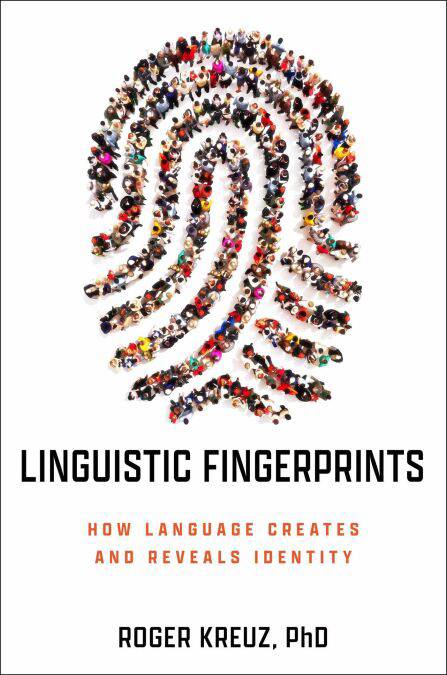
Linguistic Fingerprints E-BOOK
How Language Creates and Reveals Identity
Roger Kreuz
E-book | Engels
€ 21,24
+ 21 punten
Uitvoering
Omschrijving
How much of ourselves do we disclose when we speak or write? A person’s accent may reveal, for example, whether they hail from Australia, or Ireland, or Mississippi. But it’s not just where we were born—we divulge all sorts of information about ourselves and our identity through language. Level of education, gender, age, and even aspects of our personality can all be reliably determined by our vocabulary and grammar. To those who know what to look for, we give ourselves away every time we open our mouths or tap on a keyboard.
But how unique is a person’s linguistic identity? Can language be used to identify a specific person? To identify—or to exonerate—a murder suspect? To determine who authored a particular book? The answer to all these questions is yes. Forensic and computational linguists have developed methods that allow linguistic fingerprinting to be used in law enforcement. Similar techniques are used by literary scholars to identify the authors of anonymous or contested works of literature. Many people have heard that linguistic analysis helped to catch the Unabomber, or to unmask an anonymous editorialist—but how is it done? LINGUSISTIC FINGERPRINTS will explain how these methods were developed and how they are used to solve forensic and literary mysteries. But these techniques aren’t perfect, and the book will also include some cautionary tales about mistaken linguistic identity.
But how unique is a person’s linguistic identity? Can language be used to identify a specific person? To identify—or to exonerate—a murder suspect? To determine who authored a particular book? The answer to all these questions is yes. Forensic and computational linguists have developed methods that allow linguistic fingerprinting to be used in law enforcement. Similar techniques are used by literary scholars to identify the authors of anonymous or contested works of literature. Many people have heard that linguistic analysis helped to catch the Unabomber, or to unmask an anonymous editorialist—but how is it done? LINGUSISTIC FINGERPRINTS will explain how these methods were developed and how they are used to solve forensic and literary mysteries. But these techniques aren’t perfect, and the book will also include some cautionary tales about mistaken linguistic identity.
Specificaties
Betrokkenen
- Auteur(s):
- Uitgeverij:
Inhoud
- Aantal bladzijden:
- 256
- Taal:
- Engels
Eigenschappen
- Productcode (EAN):
- 9781633888982
- Verschijningsdatum:
- 31/07/2023
- Uitvoering:
- E-book
- Beveiligd met:
- Adobe DRM
- Formaat:
- ePub


Alleen bij Standaard Boekhandel
+ 21 punten op je klantenkaart van Standaard Boekhandel
Cadeau

AANGERADEN


Beoordelingen
We publiceren alleen reviews die voldoen aan de voorwaarden voor reviews. Bekijk onze voorwaarden voor reviews.