


- Afhalen na 1 uur in een winkel met voorraad
- Gratis thuislevering in België vanaf € 30
- Ruim aanbod met 7 miljoen producten
- Afhalen na 1 uur in een winkel met voorraad
- Gratis thuislevering in België vanaf € 30
- Ruim aanbod met 7 miljoen producten





€ 83,45
+ 166 punten
Omschrijving
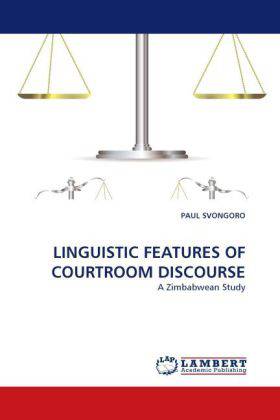
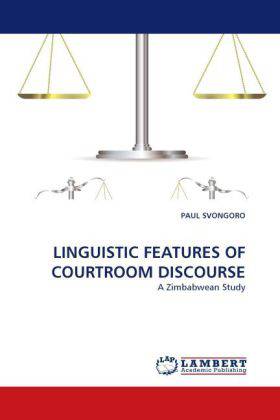
This book presents a data-based study on the linguistic features of courtroom discourse in Zimbabwe.The researcher instituted an investigation into the linguistic features characterising the language of the court and ordinary persons in cases involving alleged rape. Using transcripts of court proceedings as the primary source of data, the researcher adopted a multi-faceted analytic approach to analyse all the data collected. Using Critical Discourse Analysis, the researcher chose Conversational Analysis and Text Analysis as tools of analysis. The findings reported in this book such as euphemistic references to human sexuality, the technicality of legal language and sexual explicitness could be seen as illustrating some of the differences in linguistic behaviour between the court and lay people that probably affect legal decisions.The book argues that, while most linguistic features used in the court serve a purely legal function, some serve an important socio-cultural function, and others are seen as having an ideological function of establishing and maintaining social power relations.The book's findings therefore, have a bearing on the law and language which carries the law.
Specificaties
Betrokkenen
- Auteur(s):
- Uitgeverij:
Inhoud
- Aantal bladzijden:
- 132
- Taal:
- Engels
Eigenschappen
- Productcode (EAN):
- 9783844328677
- Verschijningsdatum:
- 6/04/2011
- Uitvoering:
- Paperback
- Afmetingen:
- 150 mm x 220 mm
- Gewicht:
- 192 g


Alleen bij Standaard Boekhandel
+ 166 punten op je klantenkaart van Standaard Boekhandel
Cadeau

AANGERADEN


Beoordelingen
We publiceren alleen reviews die voldoen aan de voorwaarden voor reviews. Bekijk onze voorwaarden voor reviews.