


- Afhalen na 1 uur in een winkel met voorraad
- Gratis thuislevering in België vanaf € 30
- Ruim aanbod met 7 miljoen producten
- Afhalen na 1 uur in een winkel met voorraad
- Gratis thuislevering in België vanaf € 30
- Ruim aanbod met 7 miljoen producten





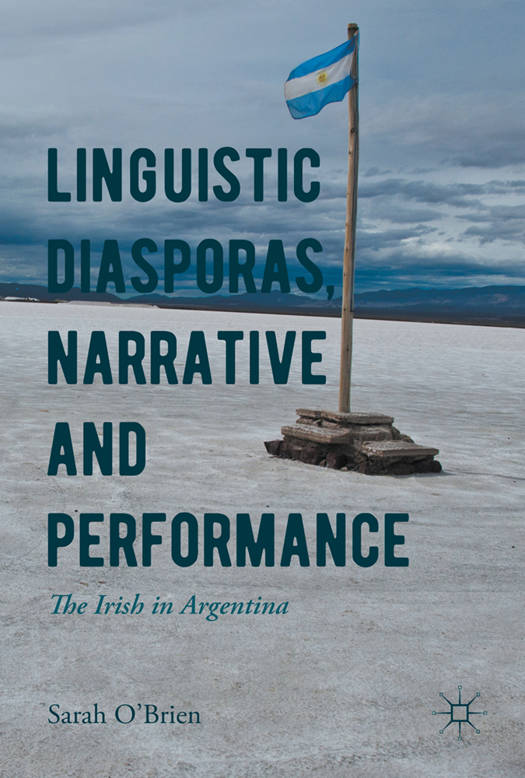
Linguistic Diasporas, Narrative and Performance
The Irish in Argentina
Sarah O'Brien
Hardcover | Engels
€ 97,45
+ 194 punten
Uitvoering
Omschrijving
This book explores the present-day Irish Diaspora in Argentina, using oral narrative and a sociolinguistic theoretical framework to draw out the features that define contemporary Hiberno-Argentine identity. The author analyzes the spoken memories and discourses of Irish-Argentine descendants to trace the socio-political evolution of a bilingual, bicultural community from World War II to the present day. In so doing, O'Brien reveals a legacy of emigration that is without precedent in the global Irish Diaspora, and which is deeply relevant to today's global Irish citizenry in its challenging of preconceived notions of what it is to be Irish in the New World. As well as contributing to understandings of an immigrant linguistic journey over three generations, the book also provides a vital ethnographic portrait of an Irish descendant community that is acutely aware of its vulnerability and invisibility in an increasingly pluralistic South American society. This book will appeal to aninterdisciplinary audience including scholars of migration, oral history, folklore, bilingualism, memory, sociolinguistics, narrative performance and Irish Diaspora studies.
Specificaties
Betrokkenen
- Auteur(s):
- Uitgeverij:
Inhoud
- Aantal bladzijden:
- 203
- Taal:
- Engels
Eigenschappen
- Productcode (EAN):
- 9783319514208
- Verschijningsdatum:
- 14/07/2017
- Uitvoering:
- Hardcover
- Formaat:
- Genaaid
- Afmetingen:
- 148 mm x 210 mm
- Gewicht:
- 403 g


Alleen bij Standaard Boekhandel
+ 194 punten op je klantenkaart van Standaard Boekhandel
Cadeau

AANGERADEN


Beoordelingen
We publiceren alleen reviews die voldoen aan de voorwaarden voor reviews. Bekijk onze voorwaarden voor reviews.