


- Afhalen na 1 uur in een winkel met voorraad
- Gratis thuislevering in België vanaf € 30
- Ruim aanbod met 7 miljoen producten
- Afhalen na 1 uur in een winkel met voorraad
- Gratis thuislevering in België vanaf € 30
- Ruim aanbod met 7 miljoen producten





€ 93,45
+ 186 punten
Uitvoering
Omschrijving
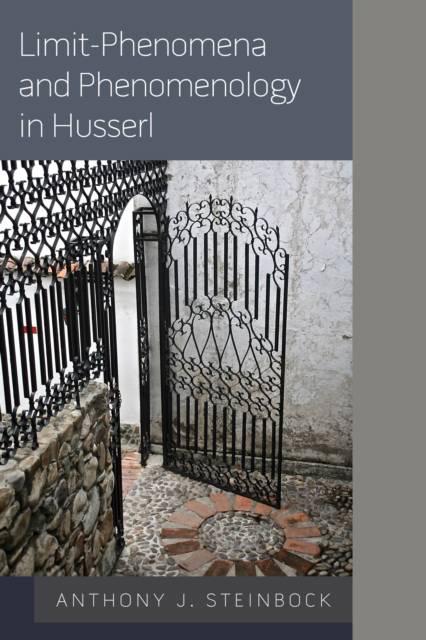
Recent discussions around limit-problems, namely the questions concerning what can appear in phenomenological reflection, as well as what phenomenology as philosophical reflection can handle, call for a concerted treatment of the problem of limit-phenomena. In this important new book, Anthony J. Steinbock, a leading voice in contemporary phenomenology, explores that question in the context of an interrelated series of problems in Husserl's phenomenology. Representing a continued struggle with these insights and problems, the first section sketches out the problem of limit-phenomena, and addresses generally that rich estuary of liminal experience that commanded Husserl's attention in his research manuscripts. The book goes on to offer a correlative reflection on the issue of method and finally explores a specific set of what have been called recently "limit-problems" within phenomenology, relating to the problem of individuation and on a more personal level, vocation. This rich and timely volume offers an excellent demonstration of phenomenology in practice.
Specificaties
Betrokkenen
- Auteur(s):
- Uitgeverij:
Inhoud
- Aantal bladzijden:
- 182
- Taal:
- Engels
Eigenschappen
- Productcode (EAN):
- 9781786604996
- Verschijningsdatum:
- 18/08/2017
- Uitvoering:
- Paperback
- Formaat:
- Trade paperback (VS)
- Afmetingen:
- 147 mm x 226 mm
- Gewicht:
- 294 g



Alleen bij Standaard Boekhandel
+ 186 punten op je klantenkaart van Standaard Boekhandel
Cadeau

AANGERADEN


Beoordelingen
We publiceren alleen reviews die voldoen aan de voorwaarden voor reviews. Bekijk onze voorwaarden voor reviews.