


Bedankt voor het vertrouwen het afgelopen jaar! Om jou te bedanken bieden we GRATIS verzending (in België) aan op alles gedurende de hele maand januari.
- Afhalen na 1 uur in een winkel met voorraad
- In januari gratis thuislevering in België
- Ruim aanbod met 7 miljoen producten
Bedankt voor het vertrouwen het afgelopen jaar! Om jou te bedanken bieden we GRATIS verzending (in België) aan op alles gedurende de hele maand januari.
- Afhalen na 1 uur in een winkel met voorraad
- In januari gratis thuislevering in België
- Ruim aanbod met 7 miljoen producten




€ 4,99
+ 4 punten
Omschrijving
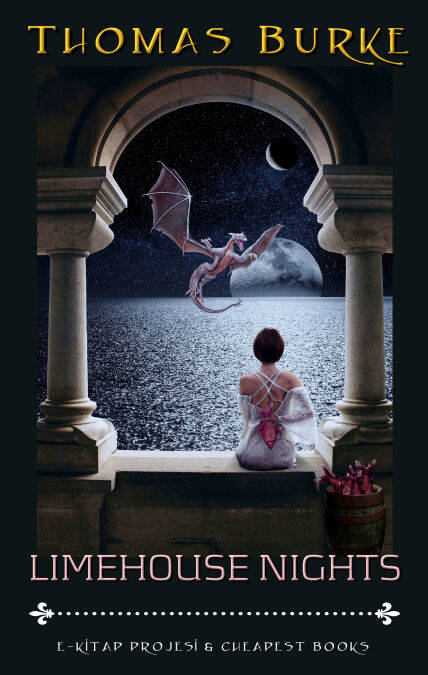
LIMEHOUSE NIGHTS is a 1916 short story collection by the British writer Thomas Burke. The stories are set in and around the Chinatown that was then centred on Limehouse in the East End of London. It was a popular success and features several of Burke's best-known stories such as The Chink and the Child and Beryl and the Croucher.
"You have not read a paragraph of Thomas Burke's 'Limehouse Nights' before you realize that you are in the presence of a master tale teller. For here is a man whose qualities of greatness are so apparent that it takes not the least discernment to discover them . . .
Robert Louis Stevenson, could he have read these pellucid pages, would have reveled in them; Lafcadio Hearn, recognizing signs of his own exotic influence, perhaps, would have loved every line; O. Henry, seeing his own work in some ways resembled and in more surpassed, would have respected him as a master." --
"You have not read a paragraph of Thomas Burke's 'Limehouse Nights' before you realize that you are in the presence of a master tale teller. For here is a man whose qualities of greatness are so apparent that it takes not the least discernment to discover them . . .
Robert Louis Stevenson, could he have read these pellucid pages, would have reveled in them; Lafcadio Hearn, recognizing signs of his own exotic influence, perhaps, would have loved every line; O. Henry, seeing his own work in some ways resembled and in more surpassed, would have respected him as a master." --
Specificaties
Betrokkenen
- Auteur(s):
- Uitgeverij:
Inhoud
- Aantal bladzijden:
- 300
- Taal:
- Engels
Eigenschappen
- Productcode (EAN):
- 9786059654074
- Verschijningsdatum:
- 23/11/2024
- Uitvoering:
- E-book
- Beveiligd met:
- Digital watermarking
- Formaat:
- ePub


Alleen bij Standaard Boekhandel
+ 4 punten op je klantenkaart van Standaard Boekhandel
SOLDEN


Beoordelingen
We publiceren alleen reviews die voldoen aan de voorwaarden voor reviews. Bekijk onze voorwaarden voor reviews.