


- Afhalen na 1 uur in een winkel met voorraad
- Gratis thuislevering in België vanaf € 30
- Ruim aanbod met 7 miljoen producten
- Afhalen na 1 uur in een winkel met voorraad
- Gratis thuislevering in België vanaf € 30
- Ruim aanbod met 7 miljoen producten




€ 59,45
+ 118 punten
Omschrijving
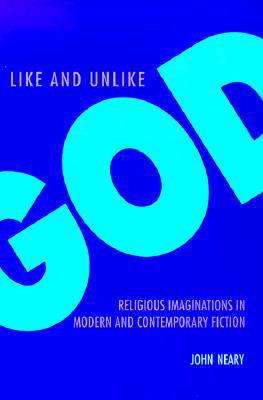
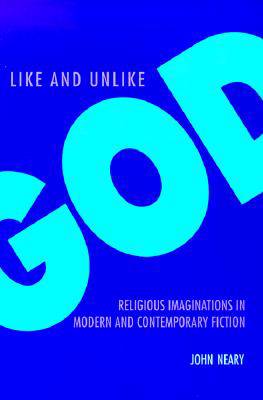
The "postmodernist context" of contemporary literary studies has seemed to push religious ideas to the margins. Nevertheless, religious concerns are deeply embedded in literature. This book provides a fresh and readable account of the literary and the religious. Drawing upon the work of David Tracy, Neary presents two ways of imagining the human relationship with the divine, the analogical and the dialogical imaginations. After an introductory look at the way in which the Christian theological tradition presents them, the book examines these imaginations and their complicated relationships within the works of two seminal modernist authors of fiction (Joseph Conrad and James Joyce), of a trio of Christian literary critics, and of several contemporary novelists who exemplify both traditional and postmodernist narrative forms (Anne Tyler, Muriel Spark, Thomas Pynchon, and D.J. Thomas).
Specificaties
Betrokkenen
- Auteur(s):
- Uitgeverij:
Inhoud
- Aantal bladzijden:
- 216
- Taal:
- Engels
- Reeks:
- Reeksnummer:
- nr. 13
Eigenschappen
- Productcode (EAN):
- 9780788505690
- Verschijningsdatum:
- 2/01/1999
- Uitvoering:
- Paperback
- Formaat:
- Trade paperback (VS)
- Afmetingen:
- 153 mm x 229 mm
- Gewicht:
- 272 g


Alleen bij Standaard Boekhandel
+ 118 punten op je klantenkaart van Standaard Boekhandel
Cadeau

AANGERADEN


Beoordelingen
We publiceren alleen reviews die voldoen aan de voorwaarden voor reviews. Bekijk onze voorwaarden voor reviews.