


- Afhalen na 1 uur in een winkel met voorraad
- Gratis thuislevering in België vanaf € 30
- Ruim aanbod met 7 miljoen producten
- Afhalen na 1 uur in een winkel met voorraad
- Gratis thuislevering in België vanaf € 30
- Ruim aanbod met 7 miljoen producten





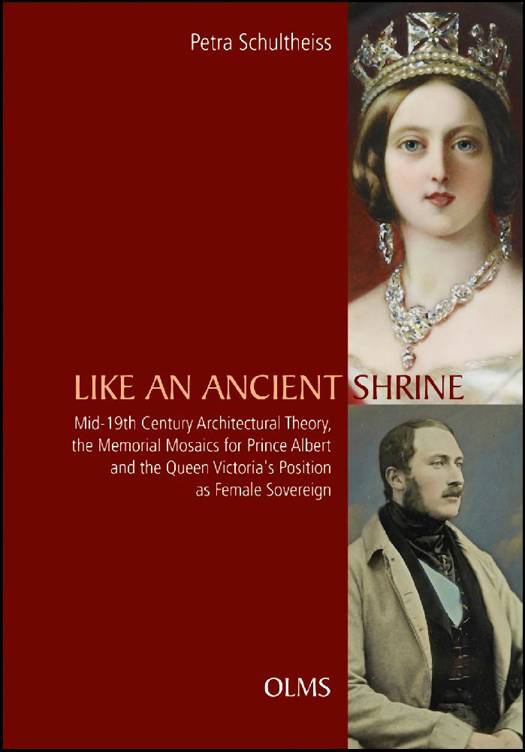
Like an Ancient Shrine
Mid-19th Century Architectural Theory, the Memorial Mosaics for Prince Albert and the Queen Victoria's Position as Female Sovereign
Petra Schultheiss
€ 128,95
+ 257 punten
Omschrijving
When Prince Albert died in 1861 at the age of forty-two, his wife Queen Victoria followed this tragic event by an elaborate mourning period in which she surrounded herself as well as her people with memorials of the Prince Consort. Of these, the three most elaborate, the Albert Memorial Chapel, the Royal Mausoleum and the National Memorial to the Prince Consort, all included mosaic decoration. In close connection to current architectural theories such as polychromy or the ideal of the complete decoration as well as the research and experimentation that was carried out with and about the medium mosaic, the memorial mosaics were planned and designed. The medium Queen Victoria chose for these monuments served to underline and strengthen the image of Prince Albert that she created and through this also helped to secure her own claim to power as female sovereign. This book presents an overview of the history of mosaic in England up to the 1860s and a detailed description of the processes of planning and creating the mosaics. Queen Victoria's memorial program as a whole will be described and compared to contemporary mourning rituals as well as British precedents for initiating similar cults.
Specificaties
Betrokkenen
- Auteur(s):
- Uitgeverij:
Inhoud
- Aantal bladzijden:
- 360
- Taal:
- Engels
- Reeks:
- Reeksnummer:
- nr. 210
Eigenschappen
- Productcode (EAN):
- 9783487155401
- Verschijningsdatum:
- 10/08/2018
- Uitvoering:
- Hardcover
- Afmetingen:
- 155 mm x 214 mm
- Gewicht:
- 750 g


Alleen bij Standaard Boekhandel
+ 257 punten op je klantenkaart van Standaard Boekhandel
Cadeau

AANGERADEN


Beoordelingen
We publiceren alleen reviews die voldoen aan de voorwaarden voor reviews. Bekijk onze voorwaarden voor reviews.