


- Afhalen na 1 uur in een winkel met voorraad
- Gratis thuislevering in België vanaf € 30
- Ruim aanbod met 7 miljoen producten
- Afhalen na 1 uur in een winkel met voorraad
- Gratis thuislevering in België vanaf € 30
- Ruim aanbod met 7 miljoen producten





€ 46,45
+ 92 punten
Omschrijving
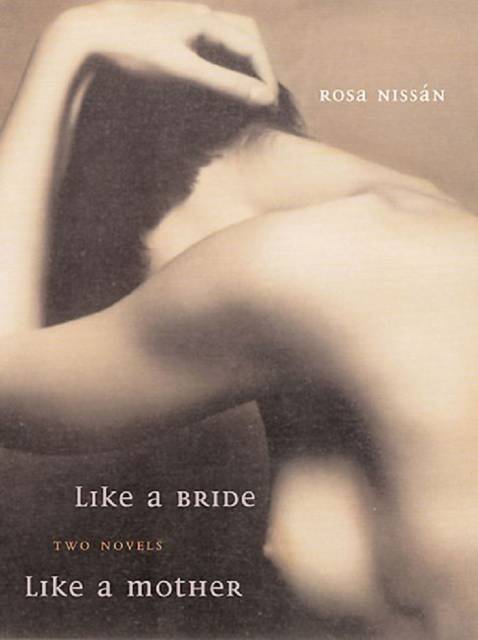
These two autobiographical novels lay bare the life journey of a Mexican Jewish woman reconciling herself with a Sephardic background, her parent's dictates, and her husband's and family's expectations. The only constant in her life is a need to find her own way, and the story of how she does so is intensely personal and yet universal in its humanness. This quest begins in Oshinica's childhood: at about age ten she's taken from the public school in Mexico City and placed in a Jewish one. There she begins to understand what it means to be Jewish. Though somewhat indifferent to Hebrew lessons, she warms to the teacher who shares experiences of the Holocaust and learns that being Jewish means being different. Oshinica's family thwarts her desire to enter the university and instead she's pushed into marriage at age seventeen. Children follow quickly, four in all, and into the 1960s Oshinica tries to be a dutiful wife and mother while continuing to be an obedient daughter. But the insular Jewish neighborhood that sheltered and defined her life is impinged upon as modernity transforms Mexico City. Seeing films like the Fellini movie 8 1/2 and experiencing a culturally changing capital city sets her on a quest for her own voice and space. Eventually she separates and divorces, supports herself as a commercial photographer, and enrolls in a creative writing course taught by Elena Poniatowska, one of Mexicoás most prominent women authors. The short pieces begun in that course evolved into these two novels. The remarkable story they tell is how Oshinicaás many, and often painful, journeys of discovery led to a personal peace.
Specificaties
Betrokkenen
- Auteur(s):
- Uitgeverij:
Inhoud
- Aantal bladzijden:
- 592
- Taal:
- Engels
- Reeks:
Eigenschappen
- Productcode (EAN):
- 9780826323644
- Verschijningsdatum:
- 15/02/2013
- Uitvoering:
- Paperback
- Formaat:
- Trade paperback (VS)
- Afmetingen:
- 140 mm x 216 mm
- Gewicht:
- 743 g


Alleen bij Standaard Boekhandel
+ 92 punten op je klantenkaart van Standaard Boekhandel
CADEAU

AANGERADEN


Beoordelingen
We publiceren alleen reviews die voldoen aan de voorwaarden voor reviews. Bekijk onze voorwaarden voor reviews.