


- Afhalen na 1 uur in een winkel met voorraad
- Gratis thuislevering in België vanaf € 30
- Ruim aanbod met 7 miljoen producten
- Afhalen na 1 uur in een winkel met voorraad
- Gratis thuislevering in België vanaf € 30
- Ruim aanbod met 7 miljoen producten





€ 16,71
+ 16 punten
Uitvoering
Omschrijving
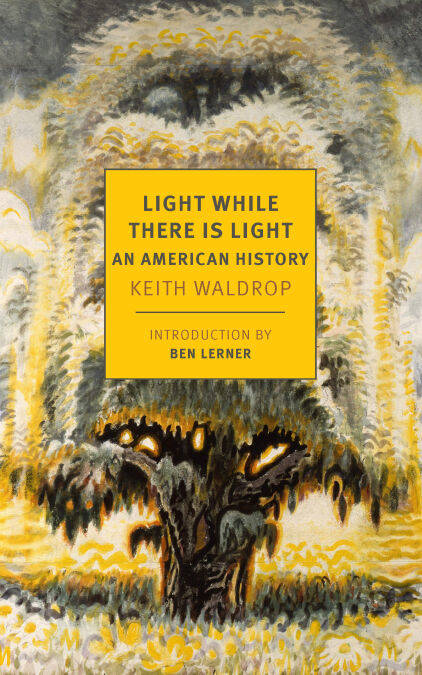
A moving poetic memoir about a family on the fringes of religion and society, this unforgettable story about a mother's destructive involvement with Christian fundamentalism pulls the curtain back on the darker side of American religious experience.
Keith Waldrop's account of his mid-twentieth-century Midwestern upbringing opens a window on a uniquely American landscape of desolation and desire. Waldrop's mother, central to the book, was a devout Christian, consumed with the question of just what a Christian was. Divorced from his father—a railway man, a Mason, coming and going with the Santa Fe railroad, then gone—she moves from place to place and from sect to sect, suffering migraines and speaking in tongues, teaching piano, and sinking ever deeper into apocalyptic reveries about tribulations lying in store and the advent of Christ's return.
Then there are Waldrop's siblings: his sister on the hunt for a husband, and his loud, lounging, scapegrace older brothers in search of the next dollar and a good time, cooking up scams and leaving a mess behind. As for Waldrop, the narrator of what he describes as a fictional memoir, he looks back at those days with a peculiar detachment of his own, compassionate, quietly humorous at times, in light of which the simple facts assume a stark, near hallucinatory clarity, while scenes of life spool by like a home movie to no sound. "Neither the joys of heaven nor hell's worst prospects," Waldrop writes, "provide as forceful a motive as the mere emptiness of the world."
In Light While There Is Light, Waldrop writes in a tradition that extends back to Hawthorne, Poe, and Dreiser, as he reveals the fear, madness, and destruction lurking behind the makeshift and make-believe of American life.
Keith Waldrop's account of his mid-twentieth-century Midwestern upbringing opens a window on a uniquely American landscape of desolation and desire. Waldrop's mother, central to the book, was a devout Christian, consumed with the question of just what a Christian was. Divorced from his father—a railway man, a Mason, coming and going with the Santa Fe railroad, then gone—she moves from place to place and from sect to sect, suffering migraines and speaking in tongues, teaching piano, and sinking ever deeper into apocalyptic reveries about tribulations lying in store and the advent of Christ's return.
Then there are Waldrop's siblings: his sister on the hunt for a husband, and his loud, lounging, scapegrace older brothers in search of the next dollar and a good time, cooking up scams and leaving a mess behind. As for Waldrop, the narrator of what he describes as a fictional memoir, he looks back at those days with a peculiar detachment of his own, compassionate, quietly humorous at times, in light of which the simple facts assume a stark, near hallucinatory clarity, while scenes of life spool by like a home movie to no sound. "Neither the joys of heaven nor hell's worst prospects," Waldrop writes, "provide as forceful a motive as the mere emptiness of the world."
In Light While There Is Light, Waldrop writes in a tradition that extends back to Hawthorne, Poe, and Dreiser, as he reveals the fear, madness, and destruction lurking behind the makeshift and make-believe of American life.
Specificaties
Betrokkenen
- Auteur(s):
- Uitgeverij:
Inhoud
- Aantal bladzijden:
- 216
- Taal:
- Engels
Eigenschappen
- Productcode (EAN):
- 9798896230373
- Verschijningsdatum:
- 11/05/2026
- Uitvoering:
- E-book
- Beveiligd met:
- Adobe DRM
- Formaat:
- ePub


Alleen bij Standaard Boekhandel
+ 16 punten op je klantenkaart van Standaard Boekhandel
Cadeau

AANGERADEN


Beoordelingen
We publiceren alleen reviews die voldoen aan de voorwaarden voor reviews. Bekijk onze voorwaarden voor reviews.