


- Afhalen na 1 uur in een winkel met voorraad
- Gratis thuislevering in België vanaf € 30
- Ruim aanbod met 7 miljoen producten
- Afhalen na 1 uur in een winkel met voorraad
- Gratis thuislevering in België vanaf € 30
- Ruim aanbod met 7 miljoen producten





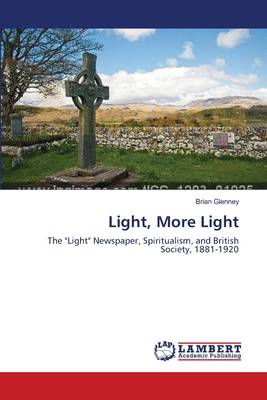
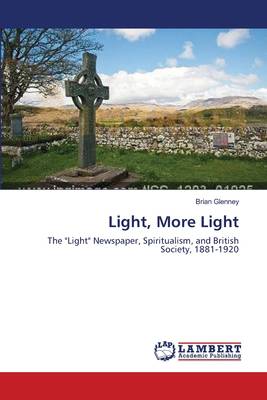
Light, More Light
The "Light" Newspaper, Spiritualism, and British Society, 1881-1920
Brian Glenney
Paperback | Engels
€ 41,45
+ 82 punten
Omschrijving
"What religious system of what philosophy could so conclusively bring comfort to the mourner or hope to the distressed, as...[Spiritualism]...and what better purpose could any journal serve than to extend the knowledge not merely belief that there is a persistence of human personality beyond Death s portals?" These were the words of the British spiritualist newspaper, "Light" in 1919 after five devastating years of WWI's death and destruction. The peculiar religious movement of spiritualism in England from the 1880s to the mid 1930s sought to give evidence to the existence of life after death. It was conducted in parlor halls with public mediums, in dimly lit seances around levitating tables, and in scientific labs of study. This work examines one publication, "Light" from its beginnings in the 1880s to the height of spiritualism's popularity in the 1920s in an attempt to understand its quick growth and its place in a changing British society. This work shows that the height of spiritualism's popularity was when it returned to traditional views of God, Christ, and morality and that the march to secularization in England was not as straight a shot as most historians believe.
Specificaties
Betrokkenen
- Auteur(s):
- Uitgeverij:
Inhoud
- Aantal bladzijden:
- 172
- Taal:
- Engels
Eigenschappen
- Productcode (EAN):
- 9783659562594
- Verschijningsdatum:
- 30/06/2014
- Uitvoering:
- Paperback
- Afmetingen:
- 150 mm x 220 mm
- Gewicht:
- 259 g


Alleen bij Standaard Boekhandel
+ 82 punten op je klantenkaart van Standaard Boekhandel
Cadeau

AANGERADEN


Beoordelingen
We publiceren alleen reviews die voldoen aan de voorwaarden voor reviews. Bekijk onze voorwaarden voor reviews.