


- Afhalen na 1 uur in een winkel met voorraad
- Gratis thuislevering in België vanaf € 30
- Ruim aanbod met 7 miljoen producten
- Afhalen na 1 uur in een winkel met voorraad
- Gratis thuislevering in België vanaf € 30
- Ruim aanbod met 7 miljoen producten





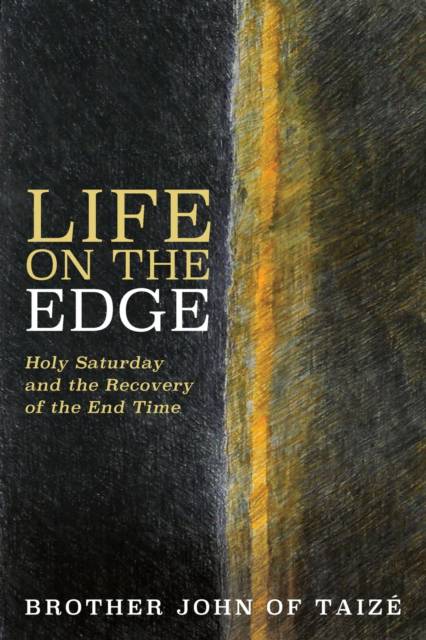
Life on the Edge
Holy Saturday and the Recovery of the End Time
Brother John of Taize
Paperback | Engels
€ 40,45
+ 80 punten
Uitvoering
Omschrijving
Is the Christian faith something that can peacefully exist alongside all the other aspects of an ordinary human life, or does it by its very nature turn that life into something else? The author of this book, a member of a monastic community for over forty years, obviously has a vested interest in the answer. But even for believers caught up in the day-to-day life of society, work, and family, the question is an important one, at least if they are seeking a measure of consistency in the life they are living. And does not the very fact that the question of the importance and urgency of faith needs to be asked witness to the eclipse of an eschatological outlook among Christians, at any rate in the mainstream Churches? Could this oversight not explain why an eschatological understanding of faith, one which sees it as a radical, world-changing reality, has been forced to take refuge, often deformed to the point of being unrecognizable, in small "fanatical" groups on the margins of the Christian world?
Specificaties
Betrokkenen
- Auteur(s):
- Uitgeverij:
Inhoud
- Aantal bladzijden:
- 224
- Taal:
- Engels
Eigenschappen
- Productcode (EAN):
- 9781532617935
- Verschijningsdatum:
- 26/10/2017
- Uitvoering:
- Paperback
- Formaat:
- Trade paperback (VS)
- Afmetingen:
- 152 mm x 226 mm
- Gewicht:
- 340 g


Alleen bij Standaard Boekhandel
+ 80 punten op je klantenkaart van Standaard Boekhandel

Beoordelingen
We publiceren alleen reviews die voldoen aan de voorwaarden voor reviews. Bekijk onze voorwaarden voor reviews.