


- Afhalen na 1 uur in een winkel met voorraad
- Gratis thuislevering in België vanaf € 30
- Ruim aanbod met 7 miljoen producten
- Afhalen na 1 uur in een winkel met voorraad
- Gratis thuislevering in België vanaf € 30
- Ruim aanbod met 7 miljoen producten





€ 41,95
+ 83 punten
Omschrijving
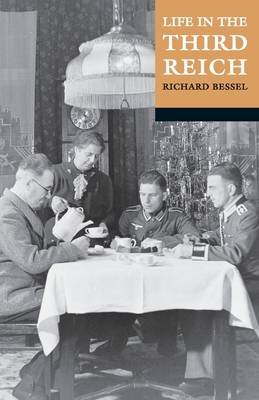
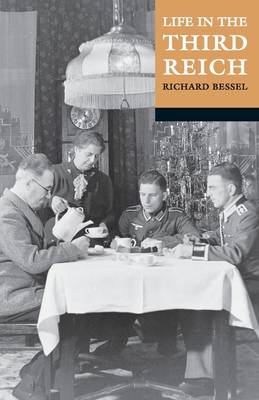
Even today, the Third Reich--the regime that instigated the most destructive war in modern history--evokes powerful images of fascination and horror. Yet how were the lives of the ordinary German people of the 1930s and '40s affected by the politics of Hitler and his followers? Looking beyond the catalog of events, this intriguing book reveals that daily German life involved a complex mixture of bribery and terror; of fear and concessions; of barbarism and appeals to conventional moral values employed by the Nazis to maintain their grip on society. Eight leading historians present essays that shed fresh light on topics as familiar as the role of political violence in Nazi seizure of power and the German view of Hitler himself. It also focuses on lesser-known aspects of life in the Third Reich, such as village life, the treatment of "social outcasts," and the Germans' own retrospective view of this period of their history.
Specificaties
Betrokkenen
- Auteur(s):
- Uitgeverij:
Inhoud
- Aantal bladzijden:
- 150
- Taal:
- Engels
Eigenschappen
- Productcode (EAN):
- 9780192802101
- Verschijningsdatum:
- 20/12/2001
- Uitvoering:
- Paperback
- Formaat:
- Trade paperback (VS)
- Afmetingen:
- 130 mm x 196 mm
- Gewicht:
- 158 g


Alleen bij Standaard Boekhandel
+ 83 punten op je klantenkaart van Standaard Boekhandel
CADEAU

AANGERADEN


Beoordelingen
We publiceren alleen reviews die voldoen aan de voorwaarden voor reviews. Bekijk onze voorwaarden voor reviews.