



- Afhalen na 1 uur in een winkel met voorraad
- In januari gratis thuislevering in België
- Ruim aanbod met 7 miljoen producten
- Afhalen na 1 uur in een winkel met voorraad
- In januari gratis thuislevering in België
- Ruim aanbod met 7 miljoen producten





Omschrijving
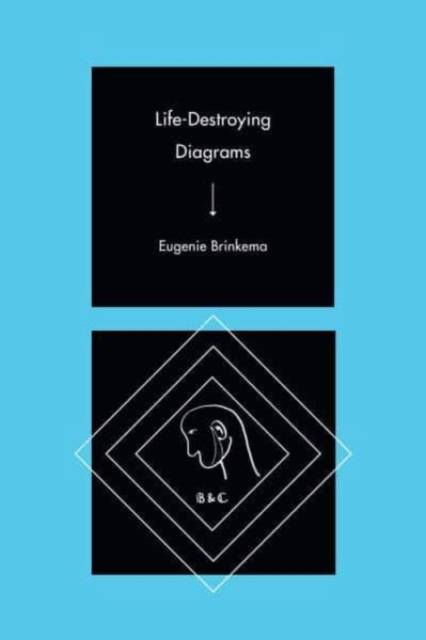
In Life-Destroying Diagrams, Eugenie Brinkema brings the insights of her radical formalism to bear on supremely risky terrain: the ethical extremes of horror and love. Through close readings of works of film, literature, and philosophy, she explores how diagrams, grids, charts, lists, abecedaria, toroids, tempos, patterns, colors, negative space, lengths, increments, and thresholds attest to formal logics of torture and cruelty, violence and finitude, friendship and eros, debt and care. Beginning with a wholesale rethinking of the affect of horror, orienting it away from entrenched models of feeling toward impersonal schemes and structures, Brinkema moves outward to consider the relation between objects and affects, humiliation and metaphysics, genre and the general, bodily destruction and aesthetic generation, geometry and scenography, hatred and value, love and measurement, and, ultimately, the tensions, hazards, and speculative promise of formalism itself. Replete with etymological meditations, performative typography, and lyrical digressions, Life-Destroying Diagrams is at once a model of reading without guarantee and a series of generative experiments in the writing of aesthetic theory.
Specificaties
Betrokkenen
- Auteur(s):
- Uitgeverij:
Inhoud
- Aantal bladzijden:
- 496
- Taal:
- Engels
Eigenschappen
- Productcode (EAN):
- 9781478013433
- Verschijningsdatum:
- 15/02/2022
- Uitvoering:
- Hardcover
- Formaat:
- Genaaid
- Afmetingen:
- 152 mm x 229 mm
- Gewicht:
- 834 g



Alleen bij Standaard Boekhandel
+ 366 punten op je klantenkaart van Standaard Boekhandel
Cadeau

AANGERADEN


Beoordelingen
We publiceren alleen reviews die voldoen aan de voorwaarden voor reviews. Bekijk onze voorwaarden voor reviews.