


- Afhalen na 1 uur in een winkel met voorraad
- Gratis thuislevering in België vanaf € 30
- Ruim aanbod met 7 miljoen producten
- Afhalen na 1 uur in een winkel met voorraad
- Gratis thuislevering in België vanaf € 30
- Ruim aanbod met 7 miljoen producten





€ 161,45
+ 322 punten
Uitvoering
Omschrijving
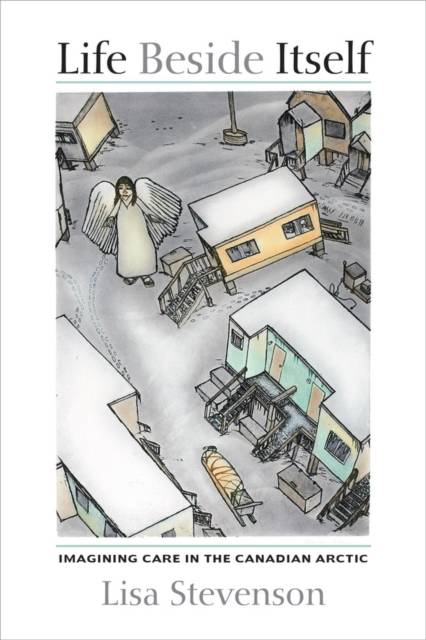
In Life Beside Itself, Lisa Stevenson takes us on a haunting ethnographic journey through two historical moments when life for the Canadian Inuit has hung in the balance: the tuberculosis epidemic (1940s to the early 1960s) and the subsequent suicide epidemic (1980s to the present). Along the way, Stevenson troubles our commonsense understanding of what life is and what it means to care for the life of another. Through close attention to the images in which we think and dream and through which we understand the world, Stevenson describes a world in which life is beside itself: the name-soul of a teenager who dies in a crash lives again in his friend's newborn baby, a young girl shares a last smoke with a dead friend in a dream, and the possessed hands of a clock spin uncontrollably over its face. In these contexts, humanitarian policies make little sense because they attempt to save lives by merely keeping a body alive. For the Inuit, and perhaps for all of us, life is "somewhere else," and the task is to articulate forms of care for others that are adequate to that truth.
Specificaties
Betrokkenen
- Auteur(s):
- Uitgeverij:
Inhoud
- Aantal bladzijden:
- 272
- Taal:
- Engels
Eigenschappen
- Productcode (EAN):
- 9780520282605
- Verschijningsdatum:
- 22/08/2014
- Uitvoering:
- Hardcover
- Formaat:
- Genaaid
- Afmetingen:
- 155 mm x 234 mm
- Gewicht:
- 430 g


Alleen bij Standaard Boekhandel
+ 322 punten op je klantenkaart van Standaard Boekhandel
CADEAU


Beoordelingen
We publiceren alleen reviews die voldoen aan de voorwaarden voor reviews. Bekijk onze voorwaarden voor reviews.