


- Afhalen na 1 uur in een winkel met voorraad
- Gratis thuislevering in België vanaf € 30
- Ruim aanbod met 7 miljoen producten
- Afhalen na 1 uur in een winkel met voorraad
- Gratis thuislevering in België vanaf € 30
- Ruim aanbod met 7 miljoen producten





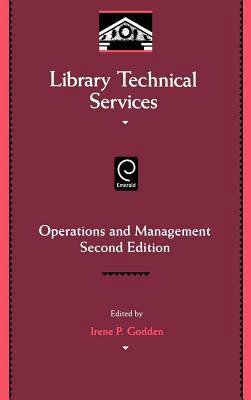
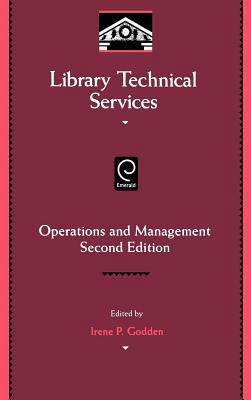
Library Technical Services
Operations and Management
€ 285,45
+ 570 punten
Omschrijving
This revised Second Edition addresses developments that have transformed library operations in the recent past. In the technical services administration chapter, there is a new section on leadership and management style, strategic planning, managerial accounting, and output measures. The bibliography has been expanded to include more management literature. At the same time, in the automation chapter, expanded sections on downloading bibliographic data into personal files, full text-access, and implications for libraries of the emerging high-speed electronic highways for scholarly information, that is, regional networks linked by the internet, and the emerging NREN (National Research and Education Network), have been added. The entire acquisitions chapter has been reordered to reflect new approaches to acquisitions work in an automated environment and the chapter on bibliographic control has been refocused to emphasize the online environment, and to reflect recent developments in cataloguing tools and rules. Because there has been a tremendous increase in preservation-related activities in the last ten years or so, the preservation chapter has been expanded, with a concurrent shift in emphasis from materials processing to preservation.
Specificaties
Betrokkenen
- Uitgeverij:
Inhoud
- Aantal bladzijden:
- 238
- Taal:
- Engels
- Reeks:
- Reeksnummer:
- nr. 91
Eigenschappen
- Productcode (EAN):
- 9780122870415
- Verschijningsdatum:
- 28/06/1991
- Uitvoering:
- Hardcover
- Formaat:
- Genaaid
- Afmetingen:
- 160 mm x 236 mm
- Gewicht:
- 684 g

Alleen bij Standaard Boekhandel
+ 570 punten op je klantenkaart van Standaard Boekhandel
Cadeau

AANGERADEN


Beoordelingen
We publiceren alleen reviews die voldoen aan de voorwaarden voor reviews. Bekijk onze voorwaarden voor reviews.