


- Afhalen na 1 uur in een winkel met voorraad
- Gratis thuislevering in België vanaf € 30
- Ruim aanbod met 7 miljoen producten
- Afhalen na 1 uur in een winkel met voorraad
- Gratis thuislevering in België vanaf € 30
- Ruim aanbod met 7 miljoen producten





€ 67,95
+ 135 punten
Uitvoering
Omschrijving
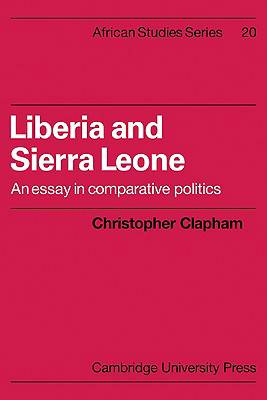
Very similar in some ways, but strikingly different in others, Sierra Leone and Liberia have an obvious appeal for comparative analysis. They share the legacy of foundation by immigrants of African descent and the juxtaposition of these with indigenous peoples, but within the contrasting institutional frameworks of settler independence and British colonialism. They have similar social and economic structures but sharply dissimilar political records: Liberia has long been regarded as the classic case of stability at the price of oligarchy, whereas Sierra Leone, after a period as West Africa's most successful two-party democracy, suffered a succession of military coups and by 1973 was effectively a single-party state. This study seeks to analyse and account for both similarities and differences, looking at the two countries' experience in the 1960s and early 1970s, not only in central politics but also at the local level and in economic policy.
Specificaties
Betrokkenen
- Auteur(s):
- Uitgeverij:
Inhoud
- Aantal bladzijden:
- 172
- Taal:
- Engels
- Reeks:
- Reeksnummer:
- nr. 20
Eigenschappen
- Productcode (EAN):
- 9780521099806
- Verschijningsdatum:
- 18/01/2009
- Uitvoering:
- Paperback
- Formaat:
- Trade paperback (VS)
- Afmetingen:
- 152 mm x 229 mm
- Gewicht:
- 258 g


Alleen bij Standaard Boekhandel
+ 135 punten op je klantenkaart van Standaard Boekhandel
Cadeau

AANGERADEN


Beoordelingen
We publiceren alleen reviews die voldoen aan de voorwaarden voor reviews. Bekijk onze voorwaarden voor reviews.