


- Afhalen na 1 uur in een winkel met voorraad
- Gratis thuislevering in België vanaf € 30
- Ruim aanbod met 7 miljoen producten
- Afhalen na 1 uur in een winkel met voorraad
- Gratis thuislevering in België vanaf € 30
- Ruim aanbod met 7 miljoen producten





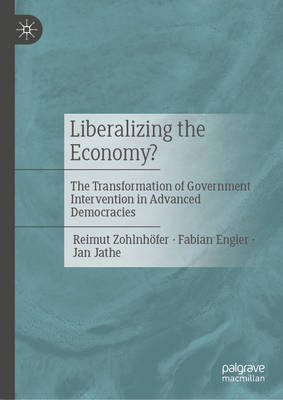
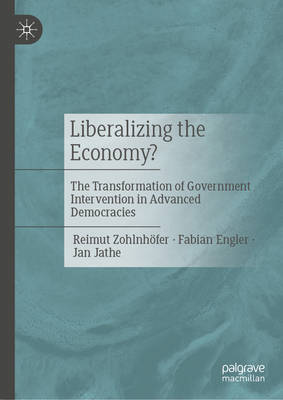
Liberalizing the Economy?
The Transformation of Government Intervention in Advanced Democracies
Reimut Zohlnhöfer, Fabian Engler, Jan Jathe
Hardcover | Engels
€ 151,95
+ 303 punten
Eenvoudig bestellen
Veilig betalen


Gratis thuislevering vanaf € 30 (via bpost)
Gratis levering in je Standaard Boekhandel
Omschrijving
The mixed economies of advanced democracies have undergone a substantial transformation since the 1980s, resulting in a large reduction of government intervention. This book is the first to comprehensively analyze this development. Comparing five policy instruments - corporate taxation, total public expenditure, product market regulation, industrial subsidies, state-ownership of enterprises, and an aggregate index - in 21 countries, the book examines how far the liberalization of mixed economies in established democracies has gone, and what caused it. It finds that globalization and the diffusion of policies were most relevant for the transformation of economic intervention, whilst European integration and socio-economic changes played less important roles. Despite the overall trend toward liberalization, domestic politics in the form of partisan control of the government also remains important. The book is of interest to scholars and students of comparative and international political economy, comparative public policy, and comparative politics, as well as economists and journalists who want to better understand the politics of economic liberalization over the last four decades.
Specificaties
Betrokkenen
- Auteur(s):
- Uitgeverij:
Inhoud
- Aantal bladzijden:
- 245
- Taal:
- Engels
Eigenschappen
- Productcode (EAN):
- 9783032266750
- Verschijningsdatum:
- 23/07/2026
- Uitvoering:
- Hardcover
- Formaat:
- Genaaid
- Afmetingen:
- 148 mm x 210 mm


Alleen bij Standaard Boekhandel
+ 303 punten op je klantenkaart van Standaard Boekhandel
CADEAU

AANGERADEN


Beoordelingen
We publiceren alleen reviews die voldoen aan de voorwaarden voor reviews. Bekijk onze voorwaarden voor reviews.