


- Afhalen na 1 uur in een winkel met voorraad
- Gratis thuislevering in België vanaf € 30
- Ruim aanbod met 7 miljoen producten
- Afhalen na 1 uur in een winkel met voorraad
- Gratis thuislevering in België vanaf € 30
- Ruim aanbod met 7 miljoen producten





€ 151,95
+ 303 punten
Omschrijving
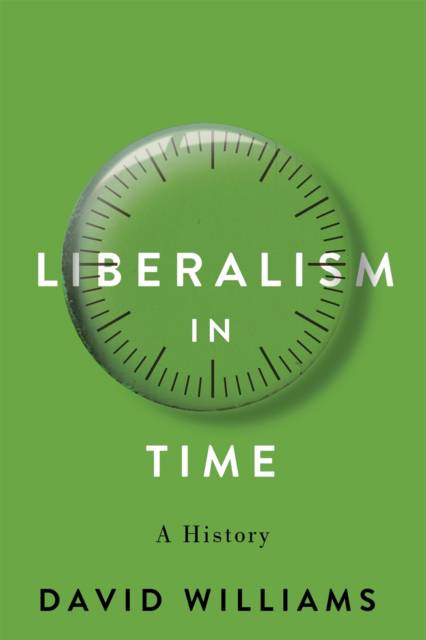
We are living through a crisis that casts doubt on the idea of progress, the defining trope of liberalism. The idea of progress as the achievement of liberalism developed over time, in relation to changing ideas about time. Understanding skepticism about progress requires us to ask questions about the relationship between liberalism, time, and history.
Drawing on a range of thinkers from John Locke to John Rawls, Liberalism in Time links the history of liberal thought with wider changes in theology, geology, archaeology, and biology. David Williams explores the diverse ways in which liberal thinkers have understood the relationship between liberalism and time, demonstrating that liberal patterns of thought are characterized by temporal paradoxes. Liberal thinkers ostensibly understand liberalism as situated within time and history, but they treat it as timeless when it is convenient. Reflecting on whether and how liberal thinking about time and history is suitable for the challenges liberalism now faces, Liberalism in Time shows how temporal paradoxes have characterized liberal patterns of thought throughout history.Specificaties
Betrokkenen
- Auteur(s):
- Uitgeverij:
Inhoud
- Aantal bladzijden:
- 198
- Taal:
- Engels
- Reeks:
- Reeksnummer:
- nr. 94
Eigenschappen
- Productcode (EAN):
- 9780228026266
- Verschijningsdatum:
- 14/10/2025
- Uitvoering:
- Hardcover
- Formaat:
- Genaaid
- Afmetingen:
- 154 mm x 232 mm
- Gewicht:
- 408 g



Alleen bij Standaard Boekhandel
+ 303 punten op je klantenkaart van Standaard Boekhandel
Cadeau

AANGERADEN


Beoordelingen
We publiceren alleen reviews die voldoen aan de voorwaarden voor reviews. Bekijk onze voorwaarden voor reviews.