


- Afhalen na 1 uur in een winkel met voorraad
- Gratis thuislevering in België vanaf € 30
- Ruim aanbod met 7 miljoen producten
- Afhalen na 1 uur in een winkel met voorraad
- Gratis thuislevering in België vanaf € 30
- Ruim aanbod met 7 miljoen producten





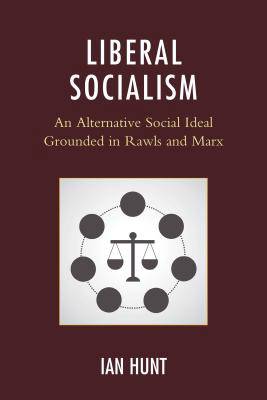
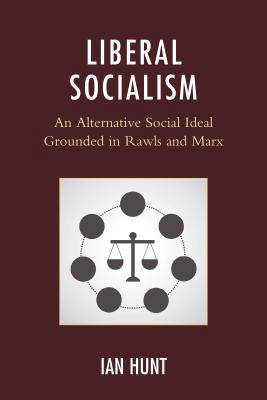
Liberal Socialism
An Alternative Social Ideal Grounded in Rawls and Marx
Ian Hunt
Hardcover | Engels
€ 195,45
+ 390 punten
Omschrijving
Should we be looking for alternatives to the western world's status quo of neo-liberal capitalism? Should we be seeking a new form of freedom for a more just and better social world? Drawing on Rawls's theory of justice and Marx's critique of capitalism, this book answers those questions in a resounding affirmative. Some think that a just society for Rawls cannot promote a better social world unless it is acceptable to all but, this wrongly treats Rawls as a supporter of minimal government. Setting this aside, the book argues that the ideas of justice behind political and media pundit support of neo-liberal capitalism are faulty, and should be replaced with a Rawlsian idea of justice. Resistance to the idea that an acceptable theory of justice can say that capitalism is unjust is overcome by showing that capitalism, as Marx sees it, must be unjust on Rawls's theory of justice because it breaches the difference principle and involves exploitation of employees. Reasons are then given for a new society that will be just under a modified Rawlsian idea of justice and will promote the Marxian good of free social cooperation on projects pursued independently of demands of nature. What a free life lived in this new society means is spelled out and shown to be acceptable. This book concludes by asking whether society can set out on a path to a better social world.
Specificaties
Betrokkenen
- Auteur(s):
- Uitgeverij:
Inhoud
- Aantal bladzijden:
- 192
- Taal:
- Engels
Eigenschappen
- Productcode (EAN):
- 9781498506533
- Verschijningsdatum:
- 22/10/2015
- Uitvoering:
- Hardcover
- Formaat:
- Genaaid
- Afmetingen:
- 157 mm x 231 mm
- Gewicht:
- 458 g


Alleen bij Standaard Boekhandel
+ 390 punten op je klantenkaart van Standaard Boekhandel
Cadeau

AANGERADEN


Beoordelingen
We publiceren alleen reviews die voldoen aan de voorwaarden voor reviews. Bekijk onze voorwaarden voor reviews.