


- Afhalen na 1 uur in een winkel met voorraad
- Gratis thuislevering in België vanaf € 30
- Ruim aanbod met 7 miljoen producten
- Afhalen na 1 uur in een winkel met voorraad
- Gratis thuislevering in België vanaf € 30
- Ruim aanbod met 7 miljoen producten





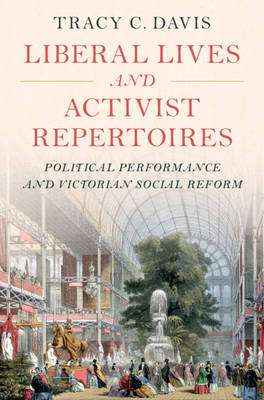
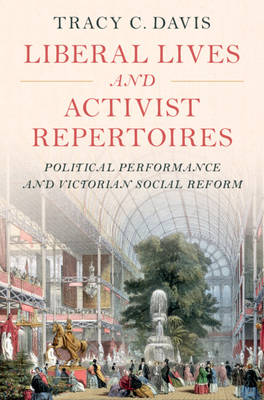
Liberal Lives and Activist Repertoires
Political Performance and Victorian Social Reform
Tracy C Davis
Hardcover | Engels
€ 60,95
+ 121 punten
Omschrijving
This ambitious study traces the strategies of human rights activists to show how world-changing reform movements were shaped by women and men from modest backgrounds who were deeply attuned to the power of performance. Tracy C. Davis explores nineteenth-century reform campaigns through the pioneering work of a family of activists - prominent anti-slavery lecturer George Thompson, his daughter Amelia (the first female theatre and music critic for a British daily newspaper) and her husband, the political organizer Frederick Chesson. Engaging in some of the most important social struggles of the late Georgian and Victorian periods - including abolition, enfranchisement, and anti-genocide - this book reveals how two generations' insights into performance consolidated into activist tactics that persist today. Characterised by a skilful deployment of performance theory alongside deep and wide-ranging historical knowledge, this ground-breaking work demonstrates what 'dramaturgy' can teach us about 'history'.
Specificaties
Betrokkenen
- Auteur(s):
- Uitgeverij:
Inhoud
- Aantal bladzijden:
- 352
- Taal:
- Engels
Eigenschappen
- Productcode (EAN):
- 9781009297530
- Verschijningsdatum:
- 10/08/2023
- Uitvoering:
- Hardcover
- Formaat:
- Genaaid
- Afmetingen:
- 160 mm x 230 mm
- Gewicht:
- 612 g


Alleen bij Standaard Boekhandel
+ 121 punten op je klantenkaart van Standaard Boekhandel
Cadeau

AANGERADEN


Beoordelingen
We publiceren alleen reviews die voldoen aan de voorwaarden voor reviews. Bekijk onze voorwaarden voor reviews.