


- Afhalen na 1 uur in een winkel met voorraad
- Gratis thuislevering in België vanaf € 30
- Ruim aanbod met 7 miljoen producten
- Afhalen na 1 uur in een winkel met voorraad
- Gratis thuislevering in België vanaf € 30
- Ruim aanbod met 7 miljoen producten





€ 38,45
+ 76 punten
Omschrijving
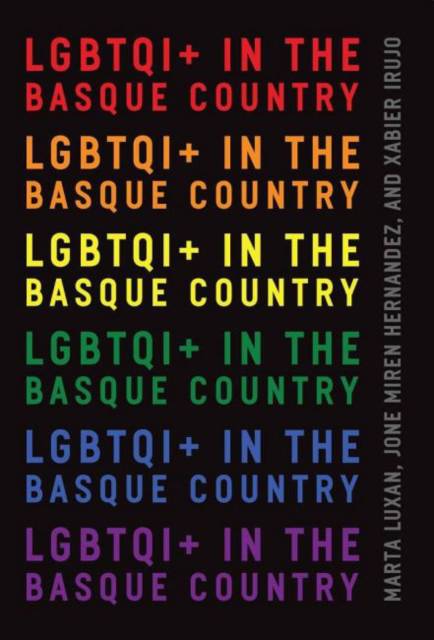
This collaboration between the Center for Basque Studies at the University of Nevada, Reno, and the Master in Feminist and Gender Studies of the University of the Basque Country is the first English monograph on LGBTQI+ issues in relation to the Basque case. It addresses the existing void surrounding historical, legal, and political issues concerning this important topic, but it also tackles social and cultural aspects as well as problems and challenges of the LGBTQI+ collective in the Basque Country today. This book explores legislative issues, the mission of social movements and of their followers, and a historical perspective on lesbianism and homosexuality in the European context. Additionally, an attempt to understand bodies beyond binary categories has been made, and an examination of the cultural expressions through a literary analysis. It is a snapshot, combining the perspectives of the academic researchers and the one of actual activists. It is, in essence, an invitation to continue to discuss, research, and write about matters concerning LGBTQI+.
Specificaties
Betrokkenen
- Auteur(s):
- Uitgeverij:
Inhoud
- Aantal bladzijden:
- 184
- Taal:
- Engels
- Reeks:
Eigenschappen
- Productcode (EAN):
- 9781949805253
- Verschijningsdatum:
- 1/01/2020
- Uitvoering:
- Paperback
- Formaat:
- Trade paperback (VS)
- Afmetingen:
- 152 mm x 229 mm
- Gewicht:
- 254 g


Alleen bij Standaard Boekhandel
+ 76 punten op je klantenkaart van Standaard Boekhandel
CADEAU

AANGERADEN


Beoordelingen
We publiceren alleen reviews die voldoen aan de voorwaarden voor reviews. Bekijk onze voorwaarden voor reviews.