


- Afhalen na 1 uur in een winkel met voorraad
- Gratis thuislevering in België vanaf € 30
- Ruim aanbod met 7 miljoen producten
- Afhalen na 1 uur in een winkel met voorraad
- Gratis thuislevering in België vanaf € 30
- Ruim aanbod met 7 miljoen producten





€ 225,95
+ 451 punten
Uitvoering
Omschrijving
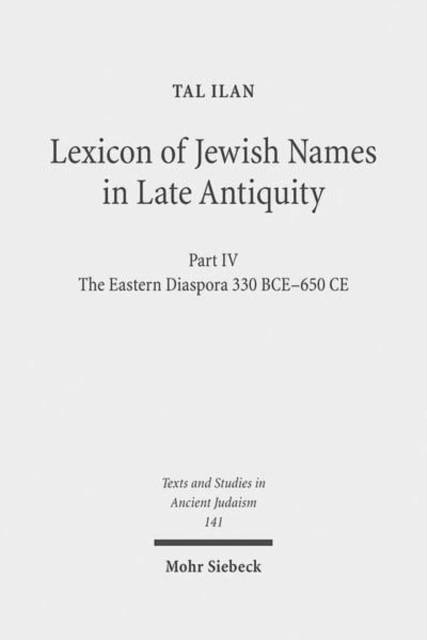
In this lexicon, Tal Ilan collects all the information on names of Jews in lands east of Palestine, in which Aramaic and Arabic was spoken, and on the people who bore them between 330 BCE, a date which marks the Hellenistic conquest of East, and 650 CE, approximately the date when the Muslim conquest of East and the southern Mediterranean basin was completed. The corpus includes names from literary sources, especially the Babylonian Talmud but those mentioned in epigraphic documents, especially incantation bowls in Aramaicare, are also an important factor of the database. This lexicon is an onomasticon in as far as it is a collection of all the recorded names used by the Jews of the eastern Diaspora in the above-mentioned period. Tal Ilan discusses the provenance of the names and explains them etymologically, given the many possible sources of influence for the names at that time. In addition, she shows the division between the use of biblical names and the use of foreign names, and points out the most popular ones. This book is also a prosopography, since Ilan analyzes the identity of the persons mentioned therein.The lexicon is accompanied by a lengthy and comprehensive introduction that scrutinizes the main trends in name giving current at the time. A large part of it is devoted to the question of how one can identify a Jew in a mostly non-Jewish society.
Specificaties
Betrokkenen
- Auteur(s):
- Uitgeverij:
Inhoud
- Aantal bladzijden:
- 465
- Taal:
- Engels
- Reeks:
- Reeksnummer:
- nr. 141
Eigenschappen
- Productcode (EAN):
- 9783161505515
- Verschijningsdatum:
- 31/12/2011
- Uitvoering:
- Hardcover
- Formaat:
- Genaaid
- Afmetingen:
- 160 mm x 234 mm
- Gewicht:
- 839 g


Alleen bij Standaard Boekhandel
+ 451 punten op je klantenkaart van Standaard Boekhandel
Cadeau

AANGERADEN


Beoordelingen
We publiceren alleen reviews die voldoen aan de voorwaarden voor reviews. Bekijk onze voorwaarden voor reviews.