


- Afhalen na 1 uur in een winkel met voorraad
- Gratis thuislevering in België vanaf € 30
- Ruim aanbod met 7 miljoen producten
- Afhalen na 1 uur in een winkel met voorraad
- Gratis thuislevering in België vanaf € 30
- Ruim aanbod met 7 miljoen producten





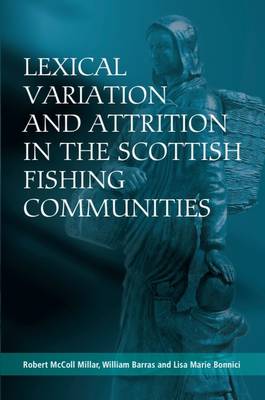
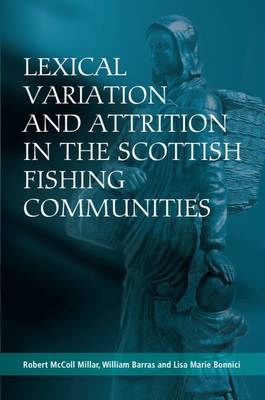
Lexical Variation and Attrition in the Scottish Fishing Communities
Robert McColl Millar, William Barras, Lisa Bonnici
Paperback | Engels
€ 37,45
+ 74 punten
Omschrijving
Over the last half century many scholars have recorded, analysed and theorised language death. At the same time, many sociolinguists have considered how rapid and dependable transport, mass education and increasingly globalised work patterns have affected how dialects in industrial and post-industrial societies are constructed and perceived; more often than not, these changes have been detrimental to the integrity of traditional dialects. The forces involved are most perceptible in loss of local lexis; this has been barely touched upon in the literature, primarily because the study of lexical variation and change has proved considerably more problematical in methodological terms than its phonological and morphosyntactic equivalents. This book considers these theoretical and methodological issues in relation to a representative sample of fishing communities along Scotland's east coast, in most of which the trade is now moribund. Can the lexical variation and change found in these communities be perceived as primary evidence for dialect death?
Specificaties
Betrokkenen
- Auteur(s):
- Uitgeverij:
Inhoud
- Aantal bladzijden:
- 200
- Taal:
- Engels
Eigenschappen
- Productcode (EAN):
- 9781399572965
- Verschijningsdatum:
- 30/11/2026
- Uitvoering:
- Paperback
- Formaat:
- Trade paperback (VS)
- Afmetingen:
- 138 mm x 216 mm


Alleen bij Standaard Boekhandel
+ 74 punten op je klantenkaart van Standaard Boekhandel
Cadeau

AANGERADEN


Beoordelingen
We publiceren alleen reviews die voldoen aan de voorwaarden voor reviews. Bekijk onze voorwaarden voor reviews.