



- Afhalen na 1 uur in een winkel met voorraad
- In januari gratis thuislevering in België
- Ruim aanbod met 7 miljoen producten
- Afhalen na 1 uur in een winkel met voorraad
- In januari gratis thuislevering in België
- Ruim aanbod met 7 miljoen producten




Omschrijving
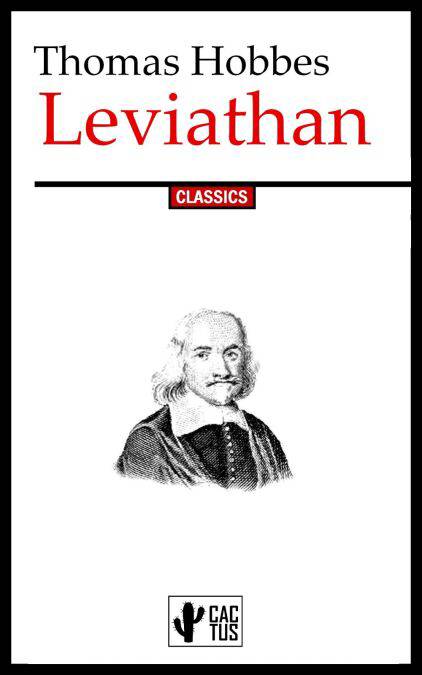
In a time of civil war and violent upheaval, Thomas Hobbes posed a revolutionary question: How can humanity escape the brutal, chaotic "state of nature," where life is "solitary, poor, nasty, brutish, and short"?
His answer, laid out with relentless logic in Leviathan (1651), forever changed political thought. Hobbes argues that for peace and security, individuals must willingly surrender their natural freedoms to an absolute, sovereign power—the "Leviathan." This monumental artificial being, whether a single ruler or an assembly, holds supreme authority to make and enforce laws, maintaining order and protecting society from itself.
Leviathan is a profound exploration of human nature, social contract, and the very foundations of legitimate government. Its powerful ideas on authority, rights, and the necessity of the state continue to ignite debate and define our understanding of the modern political world. This is the indispensable work that asked: what price are we willing to pay for peace?
His answer, laid out with relentless logic in Leviathan (1651), forever changed political thought. Hobbes argues that for peace and security, individuals must willingly surrender their natural freedoms to an absolute, sovereign power—the "Leviathan." This monumental artificial being, whether a single ruler or an assembly, holds supreme authority to make and enforce laws, maintaining order and protecting society from itself.
Leviathan is a profound exploration of human nature, social contract, and the very foundations of legitimate government. Its powerful ideas on authority, rights, and the necessity of the state continue to ignite debate and define our understanding of the modern political world. This is the indispensable work that asked: what price are we willing to pay for peace?
Specificaties
Betrokkenen
- Auteur(s):
- Uitgeverij:
Inhoud
- Taal:
- Engels
Eigenschappen
- Productcode (EAN):
- 9791256796342
- Verschijningsdatum:
- 27/01/2026
- Uitvoering:
- E-book
- Beveiligd met:
- Digital watermarking
- Formaat:
- ePub


Alleen bij Standaard Boekhandel
+ 2 punten op je klantenkaart van Standaard Boekhandel
Cadeau

AANGERADEN


Beoordelingen
We publiceren alleen reviews die voldoen aan de voorwaarden voor reviews. Bekijk onze voorwaarden voor reviews.