


- Afhalen na 1 uur in een winkel met voorraad
- Gratis thuislevering in België vanaf € 30
- Ruim aanbod met 7 miljoen producten
- Afhalen na 1 uur in een winkel met voorraad
- Gratis thuislevering in België vanaf € 30
- Ruim aanbod met 7 miljoen producten





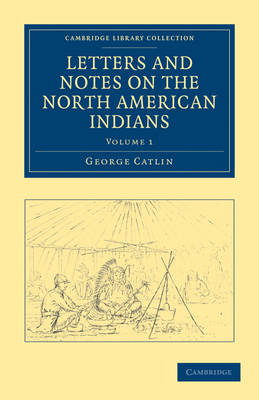
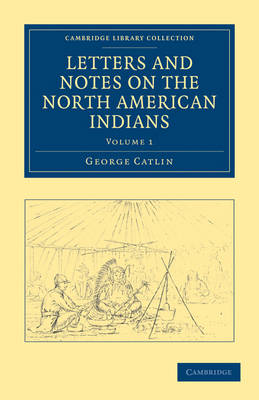
Letters and Notes on the North American Indians - Volume 1
George Catlin
€ 53,45
+ 106 punten
Uitvoering
Eenvoudig bestellen
Veilig betalen


Gratis thuislevering vanaf € 30 (via bpost)
Gratis levering in je Standaard Boekhandel
Omschrijving
Although he is best known for his paintings of Native Americans, George Catlin (1796-1872) also wrote books about his experiences among the indigenous peoples of the United States. During the 1830s he travelled widely in the western frontier regions with the aim of documenting the vanishing cultures of the Indians, and managed to meet 48 groups. This was a critical time for Native Americans, as US government policies were forcing many tribes off their ancestral land and onto reservations west of the Mississippi River. Catlin's two-volume work, published in 1841, is a compilation of his letters and field notes, and includes over 300 line drawings of people, artefacts and animals. He expresses disgust at the Europeans' treatment of the 'honest and honourable' Indians, who have 'fallen victims to whiskey, the small-pox and the bayonet'. Volume 1 focuses on the Crow, Blackfeet and Mandan peoples in the Great Plains.
Specificaties
Betrokkenen
- Auteur(s):
- Uitgeverij:
Inhoud
- Aantal bladzijden:
- 412
- Taal:
- Engels
- Reeks:
Eigenschappen
- Productcode (EAN):
- 9781108033176
- Verschijningsdatum:
- 22/09/2011
- Uitvoering:
- Paperback
- Formaat:
- Trade paperback (VS)
- Afmetingen:
- 140 mm x 216 mm
- Gewicht:
- 521 g


Alleen bij Standaard Boekhandel
+ 106 punten op je klantenkaart van Standaard Boekhandel
CADEAU

AANGERADEN


Beoordelingen
We publiceren alleen reviews die voldoen aan de voorwaarden voor reviews. Bekijk onze voorwaarden voor reviews.