


- Afhalen na 1 uur in een winkel met voorraad
- Gratis thuislevering in België vanaf € 30
- Ruim aanbod met 7 miljoen producten
- Afhalen na 1 uur in een winkel met voorraad
- Gratis thuislevering in België vanaf € 30
- Ruim aanbod met 7 miljoen producten




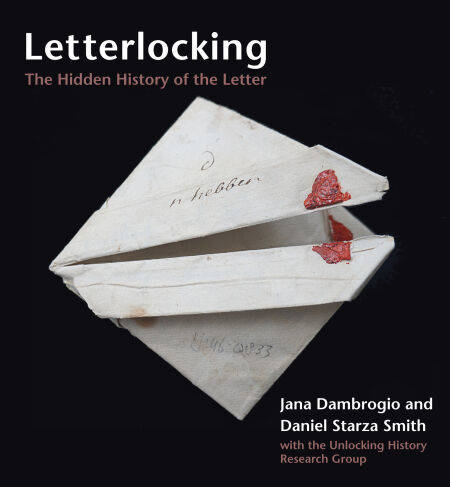
Letterlocking E-BOOK
The Hidden History of the Letter
Jana Dambrogio, Daniel Starza Smith
E-book | Engels
€ 44,35
+ 44 punten
Uitvoering
Omschrijving
The rich history of a centuries-old document security technology—folding and securing a letter into its own envelope for delivery—and a comprehensive guide to learning how to make your own locked letters.
Before the invention of the gummed envelope in the 1830s, how did people secure their private letters? The answer is letterlocking—the ingenious process of securing a letter using a combination of folds, tucks, slits, or adhesives such as sealing wax, so that it becomes its own envelope. This almost entirely forgotten practice, used by historical figures ranging from Elizabeth I and her spies to Japanese samurai lords, was an everyday activity for centuries, across cultures, borders, and social classes. In Letterlocking, Jana Dambrogio and Daniel Starza Smith, experts who have pioneered the field over the last ten years, tell the fascinating story of letterlocking within epistolary history, drawing on real historical examples from all over the world.
Fully illustrated with more than 300 images and diagrams, including a dictionary of sixty technical terms and concepts, Letterlocking describes the essential precepts of the practice and provides sources of practical support needed for beginner and advanced users of letterlocking. The authors also advocate for the understanding of letterlocking and for its inclusion in a range of intellectual and cultural research, from conservation science and archival databases to historical television shows. By the end of the book, readers will learn how to make locked letters, study letters that may have been locked, and categorize those letters using systems the authors developed while studying more than 250,000 historic letters.
Letterlocking is accompanied by a website, freely accessible scholarly articles, and instructional videos and diagrams, as well as foldable tear-out sheets with instructions on how to fold and lock models of extant historical letters.
Before the invention of the gummed envelope in the 1830s, how did people secure their private letters? The answer is letterlocking—the ingenious process of securing a letter using a combination of folds, tucks, slits, or adhesives such as sealing wax, so that it becomes its own envelope. This almost entirely forgotten practice, used by historical figures ranging from Elizabeth I and her spies to Japanese samurai lords, was an everyday activity for centuries, across cultures, borders, and social classes. In Letterlocking, Jana Dambrogio and Daniel Starza Smith, experts who have pioneered the field over the last ten years, tell the fascinating story of letterlocking within epistolary history, drawing on real historical examples from all over the world.
Fully illustrated with more than 300 images and diagrams, including a dictionary of sixty technical terms and concepts, Letterlocking describes the essential precepts of the practice and provides sources of practical support needed for beginner and advanced users of letterlocking. The authors also advocate for the understanding of letterlocking and for its inclusion in a range of intellectual and cultural research, from conservation science and archival databases to historical television shows. By the end of the book, readers will learn how to make locked letters, study letters that may have been locked, and categorize those letters using systems the authors developed while studying more than 250,000 historic letters.
Letterlocking is accompanied by a website, freely accessible scholarly articles, and instructional videos and diagrams, as well as foldable tear-out sheets with instructions on how to fold and lock models of extant historical letters.
Specificaties
Betrokkenen
- Auteur(s):
- Uitgeverij:
Inhoud
- Aantal bladzijden:
- 528
- Taal:
- Engels
Eigenschappen
- Productcode (EAN):
- 9780262380010
- Verschijningsdatum:
- 7/04/2025
- Uitvoering:
- E-book
- Beveiligd met:
- Adobe DRM
- Formaat:
- ePub 3 Fixed Layout


Alleen bij Standaard Boekhandel
+ 44 punten op je klantenkaart van Standaard Boekhandel

Beoordelingen
We publiceren alleen reviews die voldoen aan de voorwaarden voor reviews. Bekijk onze voorwaarden voor reviews.