


- Afhalen na 1 uur in een winkel met voorraad
- Gratis thuislevering in België vanaf € 30
- Ruim aanbod met 7 miljoen producten
- Afhalen na 1 uur in een winkel met voorraad
- Gratis thuislevering in België vanaf € 30
- Ruim aanbod met 7 miljoen producten





€ 152,95
+ 305 punten
Uitvoering
Omschrijving
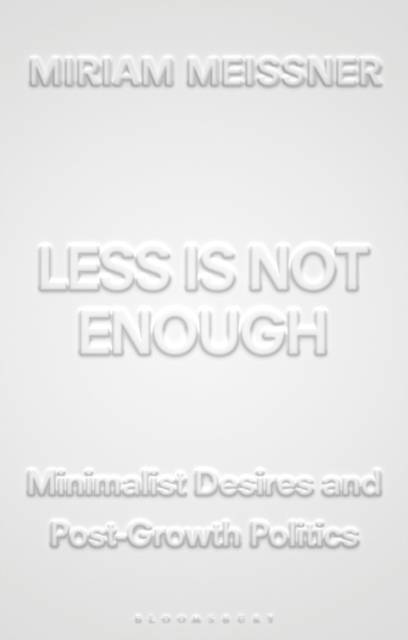
Less Is Not Enough examines the rise of minimalist self-help, showing how it depoliticizes middle-class frustrations with capitalist exploitation, and proposes a cultural strategy to channel minimalist desires into a more radical, postgrowth politics.
In the past decade minimalist self-help has exploded, from tidying guides to media detoxes which promise to help affluent middle classes navigate a world of excess-too much clutter, stress, and distraction. Here, Miriam Meissner exposes the limits of minimalism in addressing both middle-class overload and the environmental crisis. Through a critical analysis of self-help books, TV shows, and online communities, she argues that while minimalism is well-intended, it ultimately distracts from the root causes of the very problems it seeks to alleviate. Trends like decluttering and mindfulness depoliticize middle-class frustrations with the capitalist exploitation of labour, attention, and ecology for profit. In an era where climate justice and class struggle are inseparable, this book proposes an eco-political strategy that refuses to pit middle-class interests against the demands of a just green transition.Specificaties
Betrokkenen
- Auteur(s):
- Uitgeverij:
Inhoud
- Aantal bladzijden:
- 304
- Taal:
- Engels
Eigenschappen
- Productcode (EAN):
- 9781350587809
- Verschijningsdatum:
- 16/04/2026
- Uitvoering:
- Hardcover
- Formaat:
- Genaaid
- Afmetingen:
- 156 mm x 234 mm
- Gewicht:
- 594 g


Alleen bij Standaard Boekhandel
+ 305 punten op je klantenkaart van Standaard Boekhandel
Cadeau

AANGERADEN


Beoordelingen
We publiceren alleen reviews die voldoen aan de voorwaarden voor reviews. Bekijk onze voorwaarden voor reviews.