


- Afhalen na 1 uur in een winkel met voorraad
- Gratis thuislevering in België vanaf € 30
- Ruim aanbod met 7 miljoen producten
- Afhalen na 1 uur in een winkel met voorraad
- Gratis thuislevering in België vanaf € 30
- Ruim aanbod met 7 miljoen producten





€ 48,95
+ 97 punten
Eenvoudig bestellen
Veilig betalen


Gratis thuislevering vanaf € 30 (via bpost)
Gratis levering in je Standaard Boekhandel
Omschrijving
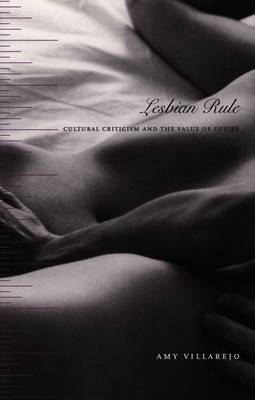
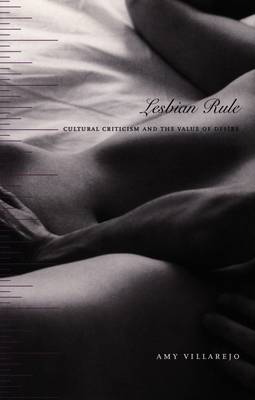
With hair slicked back and shirt collar framing her young patrician face, Katherine Hepburn's image in the 1935 film Sylvia Scarlett was seen by many as a lesbian representation. Yet, Amy Villarejo argues, there is no final ground upon which to explain why that image of Hepburn signifies lesbian or why such a cross-dressing Hollywood fantasy edges into collective consciousness as a lesbian narrative. Investigating what allows viewers to perceive an image or narrative as "lesbian," Villarejo presents a theoretical exploration of lesbian visibility. Focusing on images of lesbians in film, she analyzes what these representations contain and their limits. She combines Marxist theories of value with poststructuralist insights to argue that lesbian visibility operates simultaneously as an achievement and a ruse, a possibility for building a new visual politics and away of rendering static and contained what lesbian might mean. Integrating cinema studies, queer and feminist theory, and cultural studies, Villarejo illuminates the contexts within which the lesbian is rendered visible. Toward that end, she analyzes key portrayals of lesbians in public culture, particularly in documentary film. She considers a range of films--from documentaries about Cuba and lesbian pulp fiction to Exile Shanghai and The Brandon Teena Story--and, in doing so, brings to light a nuanced economy of value and desire.
Specificaties
Betrokkenen
- Auteur(s):
- Uitgeverij:
Inhoud
- Aantal bladzijden:
- 248
- Taal:
- Engels
- Reeks:
Eigenschappen
- Productcode (EAN):
- 9780822331926
- Verschijningsdatum:
- 5/11/2003
- Uitvoering:
- Paperback
- Formaat:
- Trade paperback (VS)
- Afmetingen:
- 152 mm x 226 mm
- Gewicht:
- 362 g


Alleen bij Standaard Boekhandel
+ 97 punten op je klantenkaart van Standaard Boekhandel
CADEAU

AANGERADEN


Beoordelingen
We publiceren alleen reviews die voldoen aan de voorwaarden voor reviews. Bekijk onze voorwaarden voor reviews.