



- Afhalen na 1 uur in een winkel met voorraad
- In januari gratis thuislevering in België
- Ruim aanbod met 7 miljoen producten
- Afhalen na 1 uur in een winkel met voorraad
- In januari gratis thuislevering in België
- Ruim aanbod met 7 miljoen producten





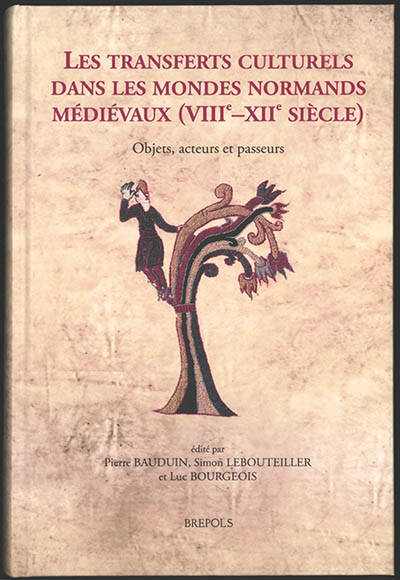
Les Transferts Culturels Dans Les Mondes Normands Medievaux (Viiie-Xiie Siecle)
Objets, Acteurs Et Passeurs
Pierre Bauduin
€ 95,40
+ 190 punten
Omschrijving
The objects of cultural transfers are innumerable. Their study is particularly important to understanding the medieval Norman worlds and their multiple interconnections with the Scandinavian world, the British Isles, Eastern Europe, and the Mediterranean. While examining the processes of transmission, reception, adaptation, adoption, or rejection, this book highlights how these dynamics influenced cultures between the eighth and twelfth centuries. Various examples of both material (embroidery; clothing accessories; iron artefacts; coins; manuscripts; funeral monuments; sculptures, etc.) and immaterial objects (craftsmanship; literary models; language; religious and burial practices; ideology of power; oath-taking, etc.) are studied, including some emblematic 'monuments' of the Norman worlds (the Bayeux Tapestry; the mosaics on the floor of Otranto Cathedral). Particular attention is given to presenting these objects in a context in which their reinterpretation in different socio-cultural environments could be better understood. The book also questions the role and the significance of the actors of cultural transfers (aristocratic elites; churchmen; merchants; craftsmen; authors; copyists; etc.), considering their status or their function, as well as their aptitude to carry transfers. It sheds light on relations and networks that have been thus far relatively unknown, and on the circulation of models that consists of a multitude of objects and productions. Finally, it contributes to the exploration of the contacts between different populations and the construction of their interactions.
Specificaties
Betrokkenen
- Auteur(s):
- Uitgeverij:
Inhoud
- Aantal bladzijden:
- 350
- Taal:
- Frans, Engels
- Reeks:
- Reeksnummer:
- nr. 36
Eigenschappen
- Productcode (EAN):
- 9782503593661
- Verschijningsdatum:
- 8/02/2022
- Uitvoering:
- Hardcover
- Formaat:
- Genaaid
- Afmetingen:
- 160 mm x 240 mm
- Gewicht:
- 748 g


Alleen bij Standaard Boekhandel
+ 190 punten op je klantenkaart van Standaard Boekhandel
Cadeau

AANGERADEN


Beoordelingen
We publiceren alleen reviews die voldoen aan de voorwaarden voor reviews. Bekijk onze voorwaarden voor reviews.