


- Afhalen na 1 uur in een winkel met voorraad
- Gratis thuislevering in België vanaf € 30
- Ruim aanbod met 7 miljoen producten
- Afhalen na 1 uur in een winkel met voorraad
- Gratis thuislevering in België vanaf € 30
- Ruim aanbod met 7 miljoen producten





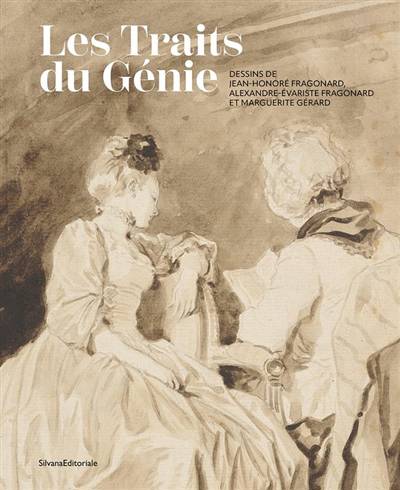
Les traits du génie
dessins de Jean-Honoré Fragonard, Alexandre-Evariste Fragonard et Marguerite Gérard
Laure Decomble, Olivier Quiquempois, Xavier Salmon
Paperback | Frans, Engels
€ 29,00
+ 58 punten
Omschrijving
Born in Grasse on April 5, 1732, Jean-Honoré Fragonard moved to Paris at the age of five. A student of Chardin and then Boucher, he achieved dazzling success but quickly fell into oblivion. It wasn't until the mid-19th century that his work was rediscovered by collectors and art historians.
A genius of painting and drawing, Fragonard was influenced by his travels to Italy, Flanders, and Holland. The encounter with new landscapes, but especially with artists from past centuries, such as Michelangelo and Rubens, was an inexhaustible source of inspiration and wonder for him, which he masterfully transcribed in numerous drawings.
It was also in scenes of everyday life that Fragonard gave free rein to his imagination and rapid execution. These sometimes lighthearted subjects made the artist's reputation, without him ever abandoning the "grand genre" of mythology and religion. He also lent his pencil to the illustration of literary texts, such as Ariosto's Roland Furioso, Cervantes' Don Quixote, and La Fontaine's Tales. Along with Fragonard, Grasse was also the birthplace of a family of artists. His wife, Marie-Anne Gérard, was a miniature painter. Their son, Alexandre-Évariste, had a brilliant career as a painter in the first half of the 19th century, as did his sister-in-law and student, Marguerite Gérard.
Presenting some sixty drawings from the collections of the Louvre alongside those of the Grasse museums, this exhibition and its catalog offer visitors a broad panorama of the abundant graphic work of Jean-Honoré Fragonard and his family.
With English texts
A genius of painting and drawing, Fragonard was influenced by his travels to Italy, Flanders, and Holland. The encounter with new landscapes, but especially with artists from past centuries, such as Michelangelo and Rubens, was an inexhaustible source of inspiration and wonder for him, which he masterfully transcribed in numerous drawings.
It was also in scenes of everyday life that Fragonard gave free rein to his imagination and rapid execution. These sometimes lighthearted subjects made the artist's reputation, without him ever abandoning the "grand genre" of mythology and religion. He also lent his pencil to the illustration of literary texts, such as Ariosto's Roland Furioso, Cervantes' Don Quixote, and La Fontaine's Tales. Along with Fragonard, Grasse was also the birthplace of a family of artists. His wife, Marie-Anne Gérard, was a miniature painter. Their son, Alexandre-Évariste, had a brilliant career as a painter in the first half of the 19th century, as did his sister-in-law and student, Marguerite Gérard.
Presenting some sixty drawings from the collections of the Louvre alongside those of the Grasse museums, this exhibition and its catalog offer visitors a broad panorama of the abundant graphic work of Jean-Honoré Fragonard and his family.
With English texts
Specificaties
Betrokkenen
- Auteur(s):
- Vertaler(s):
- Uitgeverij:
Inhoud
- Aantal bladzijden:
- 198
- Taal:
- Frans, Engels
Eigenschappen
- Productcode (EAN):
- 9788836661534
- Verschijningsdatum:
- 28/08/2025
- Uitvoering:
- Paperback
- Afmetingen:
- 220 mm x 270 mm
- Gewicht:
- 980 g


Alleen bij Standaard Boekhandel
+ 58 punten op je klantenkaart van Standaard Boekhandel
CADEAU

AANGERADEN


Beoordelingen
We publiceren alleen reviews die voldoen aan de voorwaarden voor reviews. Bekijk onze voorwaarden voor reviews.