


- Afhalen na 1 uur in een winkel met voorraad
- Gratis thuislevering in België vanaf € 30
- Ruim aanbod met 7 miljoen producten
- Afhalen na 1 uur in een winkel met voorraad
- Gratis thuislevering in België vanaf € 30
- Ruim aanbod met 7 miljoen producten





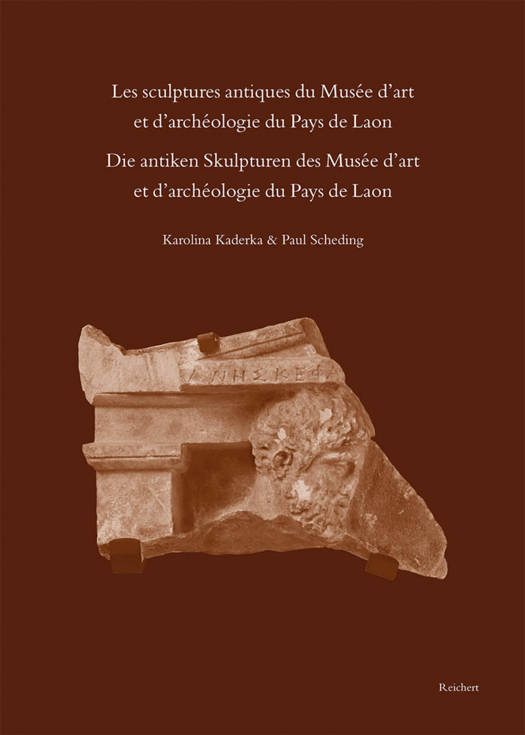
Les Sculptures Antiques Du Musée d'Art Et d'Archéologie Du Pays de Laon - Die Antiken Skulpturen Des Musée d'Art Et d'Archeologie Du Pays de Laon
Karolina Kaderka, Paul Scheding
€ 103,45
+ 206 punten
Omschrijving
For more than half a century, The Research Archive for Ancient Sculpture at the Archaeological Institute of the University of Cologne has documented little-known collections of Greek and Roman sculptures through high-quality photographs and their publication in the Monumenta Artis Romanae series. The present volume is an addition to this series and presents the ancient sculptures of the Musée de Laon. They originated with one of the most important French private collections of the early 20th century which has been in the museum's possession since 1937.
The outstanding characteristic of this collection lies in the quality of the sculptures, as well as in their diversity and their state of preservation. The focus of the collection is in works from the eastern Mediterranean, especially, Greece, Asia Minor and Alexandria. The original Greek sculptures range from a male cloak figure, dating back to the 6th century, through grave reliefs and god images from the 4th century BC, and extend to late Hellenistic works. The larger-than-life head of a Hellenistic king is of particular importance; portraits and a
Most of the collection was assembled from the Parisian art trade by Joseph Eugène Paul-Marguerite de la Charlonie (1844-1921). In terms of origin, composition and state of preservation, it is similar to other contemporaneous sculpture collections in Europe and the USA. In contrast to the European antique collections of the 17th and 18th centuries, only sparse additions were subsequently made to the pieces which enhances its value and importance.
The catalogue is a result of a collaboration between French and German archaeologists, and provides an extensive material presentation of individual works and their photographic documentation. While carrying out fundamental archaeological research, it also seeks to contextualize the art works with particular attention to the provenances of the pieces.
The outstanding characteristic of this collection lies in the quality of the sculptures, as well as in their diversity and their state of preservation. The focus of the collection is in works from the eastern Mediterranean, especially, Greece, Asia Minor and Alexandria. The original Greek sculptures range from a male cloak figure, dating back to the 6th century, through grave reliefs and god images from the 4th century BC, and extend to late Hellenistic works. The larger-than-life head of a Hellenistic king is of particular importance; portraits and a
Most of the collection was assembled from the Parisian art trade by Joseph Eugène Paul-Marguerite de la Charlonie (1844-1921). In terms of origin, composition and state of preservation, it is similar to other contemporaneous sculpture collections in Europe and the USA. In contrast to the European antique collections of the 17th and 18th centuries, only sparse additions were subsequently made to the pieces which enhances its value and importance.
The catalogue is a result of a collaboration between French and German archaeologists, and provides an extensive material presentation of individual works and their photographic documentation. While carrying out fundamental archaeological research, it also seeks to contextualize the art works with particular attention to the provenances of the pieces.
Specificaties
Betrokkenen
- Auteur(s):
- Uitgeverij:
Inhoud
- Aantal bladzijden:
- 216
- Taal:
- Duits
- Reeks:
Eigenschappen
- Productcode (EAN):
- 9783954905270
- Verschijningsdatum:
- 25/10/2021
- Uitvoering:
- Hardcover
- Formaat:
- Genaaid
- Afmetingen:
- 230 mm x 20 mm
- Gewicht:
- 11516 g


Alleen bij Standaard Boekhandel
+ 206 punten op je klantenkaart van Standaard Boekhandel
Cadeau

AANGERADEN


Beoordelingen
We publiceren alleen reviews die voldoen aan de voorwaarden voor reviews. Bekijk onze voorwaarden voor reviews.