


- Afhalen na 1 uur in een winkel met voorraad
- Gratis thuislevering in België vanaf € 30
- Ruim aanbod met 7 miljoen producten
- Afhalen na 1 uur in een winkel met voorraad
- Gratis thuislevering in België vanaf € 30
- Ruim aanbod met 7 miljoen producten





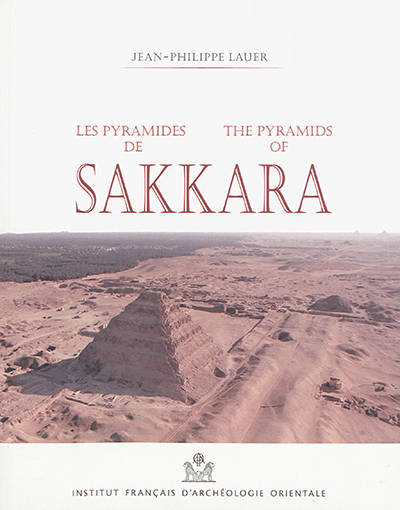
Les Pyramides de Sakkara / The Pyramids of Sakkara
Jean-Philippe Lauer
€ 23,69
+ 47 punten
Omschrijving
Around 2700 BC, Neteri-khet, the first pharaoh of the Third Dynasty of Egypt-better known today as Djoser-sited his funerary complex at the heart of the Sakkara necropolis. Kings before him had already made Sakkara a place of veneration over the four centuries preceding his reign, and later kings followed Djoser's example. Surrounded by the later pyramids of Sekhem-khet, Userkaf, Unis, and Teti, Djoser's famous Step Pyramid is still the tallest construction at Sakkara. The French architect Jean-Philippe Lauer devoted seventy-five of his hundred years to Sakkara, as a permanent employee of the Service des Antiquites d'Egypte and honorary research director of the CNRS, working on the reconstruction of the Djoser complex. In 2015, this seventh edition of The Pyramids of Sakkara, re-issued with new illustrations by the Institut francais d'archeologie orientale, bears faithful witness to Jean-Philippe Lauer's work. Its informative, succinct text and numerous illustrations provide an immersive experience of the site and give a clear account of the fascinating story of the discovery and long restoration of the Djoser complex.
Specificaties
Betrokkenen
- Auteur(s):
- Uitgeverij:
Inhoud
- Aantal bladzijden:
- 240
- Taal:
- Engels, Frans
- Reeks:
- Reeksnummer:
- nr. 47
Eigenschappen
- Productcode (EAN):
- 9782724706598
- Verschijningsdatum:
- 31/12/2015
- Uitvoering:
- Paperback
- Formaat:
- Trade paperback (VS)
- Afmetingen:
- 155 mm x 193 mm
- Gewicht:
- 399 g



Alleen bij Standaard Boekhandel
+ 47 punten op je klantenkaart van Standaard Boekhandel
Cadeau

AANGERADEN


Beoordelingen
We publiceren alleen reviews die voldoen aan de voorwaarden voor reviews. Bekijk onze voorwaarden voor reviews.