


- Afhalen na 1 uur in een winkel met voorraad
- Gratis thuislevering in België vanaf € 30
- Ruim aanbod met 7 miljoen producten
- Afhalen na 1 uur in een winkel met voorraad
- Gratis thuislevering in België vanaf € 30
- Ruim aanbod met 7 miljoen producten





Omschrijving
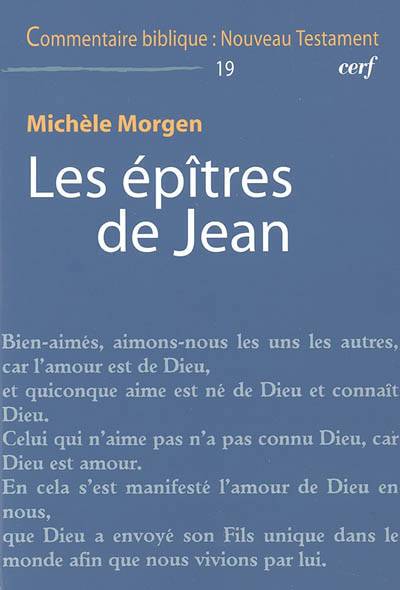
Après une longue introduction - qui fait le point sur le genre, l'occasion et le but des épîtres de Jean (les 2e et 3e étant plutôt des billets), les rapports de l'évangile selon Jean et de la 1re épître de Jean, le style (polémique et didactique à la fois), les sources, la structure, la visée théologique - Michèle Morgan commente verset par verset des trois épîtres. L'auteur de la première épître « fonde le commandement de l'amour mutuel sur le mouvement divin de l'amour manifesté par l'envoi du Fils. À cause de Jésus Christ, par et depuis Jésus Christ, la communion avec Dieu se vérifie dans la communion les uns avec les autres c'est à cette pratique de la justice (et du commandement) que sont désormais appelés ceux qui se disent enfants de Dieu. »
--
A long introduction covers the genre, the circumstances and the aim of John's epistles (the 2nd and the 3rd more resembling notes), the relation between St. John's Gospel and First Epistle, the style (both polemic and didactic), the sources, the structure, the theological aim (Michèle Morgan comments the three epistles verse by verse). The author of the First Epistle "founds the commandment of mutual love on the divine movement of love manifest in the Son's advent. Because of Jesus Christ, by and since Jesus Christ, communion with God is confirmed in our communion with each other it is that justice (and commandment) that those who call themselves children of God are called upon to practice."
--
A long introduction covers the genre, the circumstances and the aim of John's epistles (the 2nd and the 3rd more resembling notes), the relation between St. John's Gospel and First Epistle, the style (both polemic and didactic), the sources, the structure, the theological aim (Michèle Morgan comments the three epistles verse by verse). The author of the First Epistle "founds the commandment of mutual love on the divine movement of love manifest in the Son's advent. Because of Jesus Christ, by and since Jesus Christ, communion with God is confirmed in our communion with each other it is that justice (and commandment) that those who call themselves children of God are called upon to practice."
Specificaties
Betrokkenen
- Auteur(s):
- Uitgeverij:
Inhoud
- Aantal bladzijden:
- 264
- Taal:
- Frans
Eigenschappen
- Productcode (EAN):
- 9782204076432
- Verschijningsdatum:
- 13/10/2005
- Uitvoering:
- Paperback
- Afmetingen:
- 160 mm x 230 mm
- Gewicht:
- 415 g



Alleen bij Standaard Boekhandel
+ 60 punten op je klantenkaart van Standaard Boekhandel
Wedstrijd


Beoordelingen
We publiceren alleen reviews die voldoen aan de voorwaarden voor reviews. Bekijk onze voorwaarden voor reviews.