


- Afhalen na 1 uur in een winkel met voorraad
- Gratis thuislevering in België vanaf € 30
- Ruim aanbod met 7 miljoen producten
- Afhalen na 1 uur in een winkel met voorraad
- Gratis thuislevering in België vanaf € 30
- Ruim aanbod met 7 miljoen producten





€ 23,95
+ 47 punten
Omschrijving
"...a nice addition to the series..." - ModelingMadness.Com
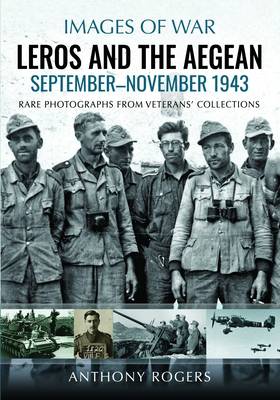
In autumn 1943, the Dodecanese in the eastern Aegean was the setting for a series of German air-sea landings, something not normally associated with the Wehrmacht. Under heavy fire, landing craft ferried to shore German infantry and, more than two years after sustaining frightful losses in Crete, Fallschirmjäger were deployed in their intended role, parachuting on to the islands of Kos, Astipalaea and Leros.
Both sides relied on aircraft and naval units, as well as conventional and unconventional ground forces. German paratroopers were drawn from the Luftwaffe and the special operations Division 'Brandenburg', which also fielded coastal raiders and assault troops. The Allies had on call 234 Infantry Brigade together with supporting units; a battalion of The Parachute Regiment, and Raiding Forces, which included the Long Range Desert Group, Special Boat Squadron, Commandos and Ieros Lohos (Greek Sacred Squadron).
Two months of conflict would culminate in a five-day battle for possession of Leros, which ended with the surrender of the British-led garrison on 16 November 1943. The island of Samos was taken without a struggle a few days later.
Unlike Operation Market Garden and the disaster of Arnhem one year later, the Aegean was first and foremost a British venture. As such, it may be considered the last irredeemable British defeat. For the Germans, the Aegean was a welcome reversal of recent setbacks and a final, but ultimately pointless, decisive victory: With the exception of Kastellorizo, key islands would remain under German occupation until May 1945.
In autumn 1943, the Dodecanese in the eastern Aegean was the setting for a series of German air-sea landings, something not normally associated with the Wehrmacht. Under heavy fire, landing craft ferried to shore German infantry and, more than two years after sustaining frightful losses in Crete, Fallschirmjäger were deployed in their intended role, parachuting on to the islands of Kos, Astipalaea and Leros.
Both sides relied on aircraft and naval units, as well as conventional and unconventional ground forces. German paratroopers were drawn from the Luftwaffe and the special operations Division 'Brandenburg', which also fielded coastal raiders and assault troops. The Allies had on call 234 Infantry Brigade together with supporting units; a battalion of The Parachute Regiment, and Raiding Forces, which included the Long Range Desert Group, Special Boat Squadron, Commandos and Ieros Lohos (Greek Sacred Squadron).
Two months of conflict would culminate in a five-day battle for possession of Leros, which ended with the surrender of the British-led garrison on 16 November 1943. The island of Samos was taken without a struggle a few days later.
Unlike Operation Market Garden and the disaster of Arnhem one year later, the Aegean was first and foremost a British venture. As such, it may be considered the last irredeemable British defeat. For the Germans, the Aegean was a welcome reversal of recent setbacks and a final, but ultimately pointless, decisive victory: With the exception of Kastellorizo, key islands would remain under German occupation until May 1945.
Specificaties
Betrokkenen
- Auteur(s):
- Uitgeverij:
Inhoud
- Aantal bladzijden:
- 160
- Taal:
- Engels
- Reeks:
Eigenschappen
- Productcode (EAN):
- 9781805002000
- Verschijningsdatum:
- 28/04/2026
- Uitvoering:
- Paperback
- Formaat:
- Trade paperback (VS)
- Afmetingen:
- 170 mm x 244 mm
- Gewicht:
- 458 g


Alleen bij Standaard Boekhandel
+ 47 punten op je klantenkaart van Standaard Boekhandel
Cadeau

AANGERADEN


Beoordelingen
We publiceren alleen reviews die voldoen aan de voorwaarden voor reviews. Bekijk onze voorwaarden voor reviews.