


- Afhalen na 1 uur in een winkel met voorraad
- Gratis thuislevering in België vanaf € 30
- Ruim aanbod met 7 miljoen producten
- Afhalen na 1 uur in een winkel met voorraad
- Gratis thuislevering in België vanaf € 30
- Ruim aanbod met 7 miljoen producten





€ 173,07
+ 346 punten
Omschrijving
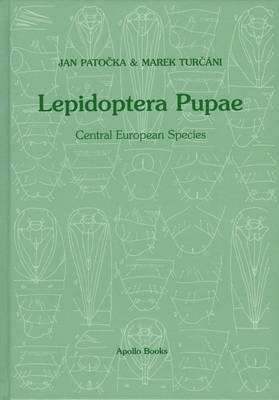
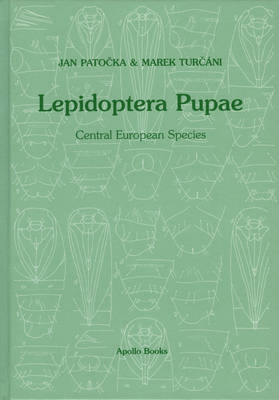
This outstanding work is a manual that enables one to identify pupae, or empty pupal skins, of about two thirds (some 2,600 species) of the Central European Lepidoptera. The text part of about 560 pages comprises a short introduction, identification keys, and species-for species accounts including succinct descriptions of pupal morphology as well as information about habitats, life-style and food plants. The illustration part consists of 271 plates including more than 8,000 line drawings of the treated pupae and/or structural details pertinent for their identification.
Lepidoptera Pupae of Central Europe should be useful for anyone with a primary interest in Central European Lepidoptera. It will also be indispensable for population ecologists studying predators and parasites of Lepidoptera, for soil biologists (since so many Lepidoptera pupate in/on the soil), and for applied entomologists in need of identifying lepidopteran pests without rearing the adults. All families are well covered except for the Nepticulidae and Coleophoridae, for which much basic research on pupal stucture still remains to be done (and whose immatures are usually identifiable from mine architecture/case structure anyway) and a few of the smallest families. All volumes of the print edition are available in individual e-books: 9789004531024 (volume 1) - 9789004531031 (volume 2).
Lepidoptera Pupae of Central Europe should be useful for anyone with a primary interest in Central European Lepidoptera. It will also be indispensable for population ecologists studying predators and parasites of Lepidoptera, for soil biologists (since so many Lepidoptera pupate in/on the soil), and for applied entomologists in need of identifying lepidopteran pests without rearing the adults. All families are well covered except for the Nepticulidae and Coleophoridae, for which much basic research on pupal stucture still remains to be done (and whose immatures are usually identifiable from mine architecture/case structure anyway) and a few of the smallest families. All volumes of the print edition are available in individual e-books: 9789004531024 (volume 1) - 9789004531031 (volume 2).
Specificaties
Betrokkenen
- Auteur(s):
- Uitgeverij:
Inhoud
- Aantal bladzijden:
- 862
- Taal:
- Engels
Eigenschappen
- Productcode (EAN):
- 9788788757477
- Verschijningsdatum:
- 1/01/2005
- Uitvoering:
- Hardcover
- Formaat:
- Genaaid
- Afmetingen:
- 173 mm x 246 mm
- Gewicht:
- 1927 g


Alleen bij Standaard Boekhandel
+ 346 punten op je klantenkaart van Standaard Boekhandel
Cadeau

AANGERADEN


Beoordelingen
We publiceren alleen reviews die voldoen aan de voorwaarden voor reviews. Bekijk onze voorwaarden voor reviews.