


- Afhalen na 1 uur in een winkel met voorraad
- Gratis thuislevering in België vanaf € 30
- Ruim aanbod met 7 miljoen producten
- Afhalen na 1 uur in een winkel met voorraad
- Gratis thuislevering in België vanaf € 30
- Ruim aanbod met 7 miljoen producten





€ 88,45
+ 176 punten
Uitvoering
Omschrijving
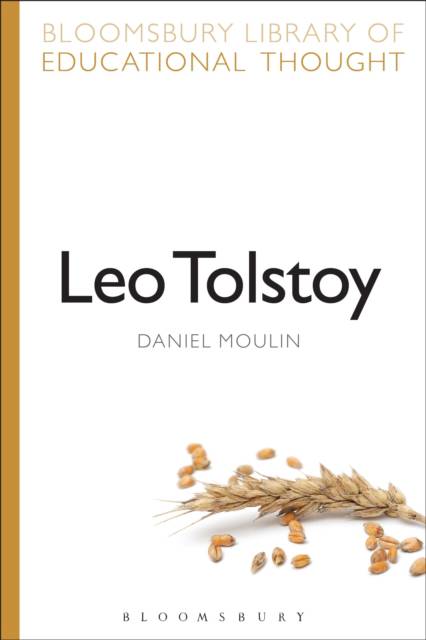
How do we know what we should teach? And how should we go about teaching it? These deceptively simple questions about education perplexed Tolstoy. Before writing his famous novels War and Peace and Anna Karenina, Tolstoy opened an experimental school on his estate to try and answer them. His experiences there incited his life-long inquiry into the meaning and purpose of religion, literature, art and life itself.
In this text, Daniel Moulin tells the story of the course of Tolstoy's educational thought, and how it relates to Tolstoy's fiction and other writings. It begins with his experience of being a child and adolescent, incorporates his travels in Europe, the experimental school, his literature, and his views on art, philosophy, and spirituality. Throughout, the relevance and impact of Tolstoy's thinking on education are translated into applicable theory for today's education students.Specificaties
Betrokkenen
- Auteur(s):
- Uitgeverij:
Inhoud
- Aantal bladzijden:
- 224
- Taal:
- Engels
- Reeks:
Eigenschappen
- Productcode (EAN):
- 9781472504838
- Verschijningsdatum:
- 1/12/2014
- Uitvoering:
- Paperback
- Formaat:
- Trade paperback (VS)
- Afmetingen:
- 155 mm x 231 mm
- Gewicht:
- 340 g


Alleen bij Standaard Boekhandel
+ 176 punten op je klantenkaart van Standaard Boekhandel
Cadeau

AANGERADEN


Beoordelingen
We publiceren alleen reviews die voldoen aan de voorwaarden voor reviews. Bekijk onze voorwaarden voor reviews.