


- Afhalen na 1 uur in een winkel met voorraad
- Gratis thuislevering in België vanaf € 30
- Ruim aanbod met 7 miljoen producten
- Afhalen na 1 uur in een winkel met voorraad
- Gratis thuislevering in België vanaf € 30
- Ruim aanbod met 7 miljoen producten





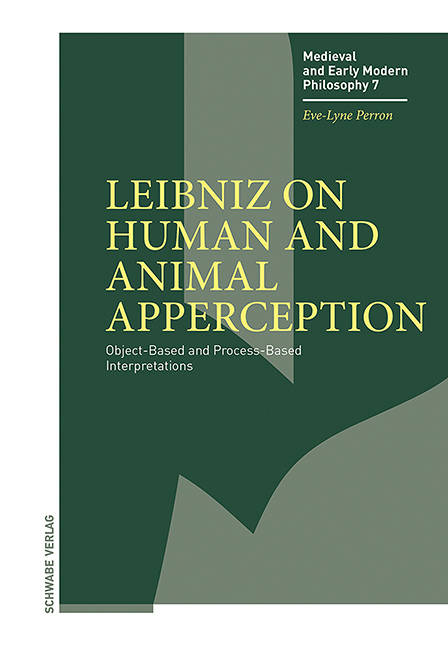
Leibniz on Human and Animal Apperception
Object-Based and Process-Based Interpretations
Eve-Lyne Perron
€ 59,45
+ 118 punten
Uitvoering
Omschrijving
Leibniz introduced the concept of apperception in philosophical discourse. But what does this concept mean? Leibniz seems to equate apperception with reflection while attributing the former to animals but not the latter. If apperception is reflection, however, how could animals possess the one without the other? This study revisits this well-known problem in Leibniz research in two main steps. Using the methodological tool of object- and process-based analyses, it first carves a distinction between apperception and reflection in order to better define the cognitive abilities of humans and animals. This conceptual work sheds light on an animal kind of apperception, yet the unity of "animal apperception" remains problematic. Since it cannot be explained by the function underlying "human apperception", this study then explores what function might account for it.>
Specificaties
Betrokkenen
- Auteur(s):
- Uitgeverij:
Inhoud
- Aantal bladzijden:
- 238
- Taal:
- Engels
- Reeks:
- Reeksnummer:
- nr. 7
Eigenschappen
- Productcode (EAN):
- 9783796554131
- Verschijningsdatum:
- 13/10/2025
- Uitvoering:
- Hardcover
- Formaat:
- Genaaid
- Afmetingen:
- 157 mm x 226 mm
- Gewicht:
- 485 g


Alleen bij Standaard Boekhandel
+ 118 punten op je klantenkaart van Standaard Boekhandel
Cadeau

AANGERADEN


Beoordelingen
We publiceren alleen reviews die voldoen aan de voorwaarden voor reviews. Bekijk onze voorwaarden voor reviews.