


- Afhalen na 1 uur in een winkel met voorraad
- Gratis thuislevering in België vanaf € 30
- Ruim aanbod met 7 miljoen producten
- Afhalen na 1 uur in een winkel met voorraad
- Gratis thuislevering in België vanaf € 30
- Ruim aanbod met 7 miljoen producten





€ 148,40
+ 296 punten
Omschrijving
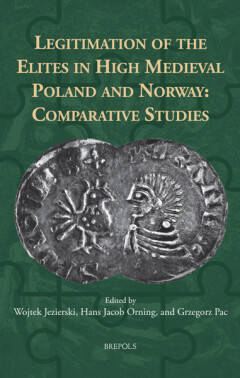
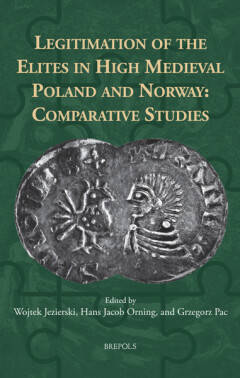
Between the years 1000 and 1300, the two developing polities of Norway and Poland often followed similar trends. Both realms were located on what was considered the periphery of Europe, both joined Latin Christendom - and with it, the wider sphere of European cultural influence - at the turn of the first millennium, and both, by the end of the thirteenth century, had largely coalesced as stable kingdoms. Yet while the histories of these two countries have long been studied along national lines, it remains rarer for them to be considered outside of their traditional geographical context, and studied via comparison with events elsewhere. This innovative volume seeks to explore the means and uses of symbolic power that were employed by religiopolitical elites in order to assert their legitimacy and dominance by taking an explicitly comparative approach and dual perspective on these two polities. What stories did elites tell themselves and others about their deservedness to rule, what spaces and objects did they utilize in order to project their elevated status, and how did struggle and rivalry form part of their societal dominance? Formed from chapters co-written by experts in Polish and Norwegian history, this unique volume not only reflects on the similarities and differences between events in these two polities, but also more broadly offers conceptual tools and comparative frameworks that can enhance our wider understanding of the conditions and factors that shaped religiopolitical behaviour on the peripheries.
Specificaties
Betrokkenen
- Auteur(s):
- Uitgeverij:
Inhoud
- Aantal bladzijden:
- 483
- Taal:
- Engels
- Reeks:
- Reeksnummer:
- nr. 3
Eigenschappen
- Productcode (EAN):
- 9782503611617
- Verschijningsdatum:
- 10/07/2025
- Uitvoering:
- Hardcover
- Formaat:
- Genaaid
- Gewicht:
- 889 g


Alleen bij Standaard Boekhandel
+ 296 punten op je klantenkaart van Standaard Boekhandel
Cadeau

AANGERADEN


Beoordelingen
We publiceren alleen reviews die voldoen aan de voorwaarden voor reviews. Bekijk onze voorwaarden voor reviews.