


- Afhalen na 1 uur in een winkel met voorraad
- Gratis thuislevering in België vanaf € 30
- Ruim aanbod met 7 miljoen producten
- Afhalen na 1 uur in een winkel met voorraad
- Gratis thuislevering in België vanaf € 30
- Ruim aanbod met 7 miljoen producten




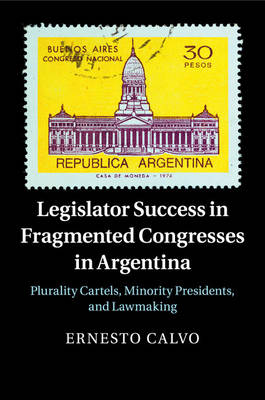
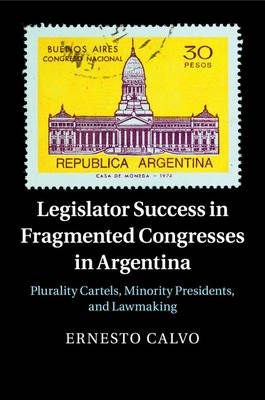
Legislator Success in Fragmented Congresses in Argentina
Plurality Cartels, Minority Presidents, and Lawmaking
Ernesto Calvo
Paperback | Engels
€ 64,95
+ 129 punten
Uitvoering
Omschrijving
Plurality-led Congresses are among the most pervasive and least studied phenomena in presidential systems around the world. Often conflated with divided government, where an organized opposition controls a majority of seats in congress, plurality-led congresses are characterized by a party with fewer than 50 percent of the seats still in control of the legislative gates. Extensive gatekeeping authority without plenary majorities, this book shows, leads to policy outcomes that are substantially different from those observed in majority-led congresses. Through detailed analyses of legislative success in Argentina and Uruguay, this book explores the determinants of law enactment in fragmented congresses. It describes in detail how the lack of majority support explains legislative success in standing committees, the chamber directorate, and the plenary floor.
Specificaties
Betrokkenen
- Auteur(s):
- Uitgeverij:
Inhoud
- Aantal bladzijden:
- 236
- Taal:
- Engels
Eigenschappen
- Productcode (EAN):
- 9781107676671
- Verschijningsdatum:
- 13/07/2017
- Uitvoering:
- Paperback
- Formaat:
- Trade paperback (VS)
- Afmetingen:
- 152 mm x 229 mm
- Gewicht:
- 322 g


Alleen bij Standaard Boekhandel
+ 129 punten op je klantenkaart van Standaard Boekhandel
AANGERADEN


Beoordelingen
We publiceren alleen reviews die voldoen aan de voorwaarden voor reviews. Bekijk onze voorwaarden voor reviews.