


- Afhalen na 1 uur in een winkel met voorraad
- Gratis thuislevering in België vanaf € 30
- Ruim aanbod met 7 miljoen producten
- Afhalen na 1 uur in een winkel met voorraad
- Gratis thuislevering in België vanaf € 30
- Ruim aanbod met 7 miljoen producten





Omschrijving
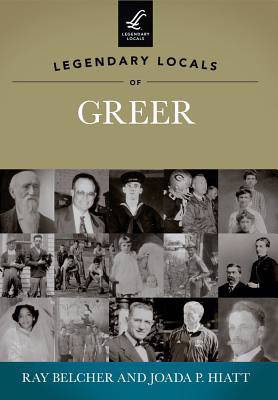
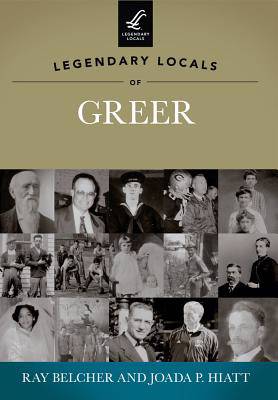
Greer, an 1876 railroad town, was founded by people who moved from farms, the mountain region of the Dark Corner, and other small communities to the area around Greer's Depot with high expectations of prosperity promised by railroad commerce and, later, the cotton mills. Like a colorful quilt with its individual patches, the early population of Greer included farmers, store keepers, laborers skilled and unskilled, and their wives and families. As the town grew, investors funded three local cotton mills; mill hands and supervisors arrived to operate them. The bankers, attorneys, physicians, teachers, and ministers followed. Eager to succeed, they all labored long and hard, some heroically like Officer William Foster and volunteer fireman Carl Miller, who died in the line of duty. Greer folk reared families, provided education, and imbued their children with strong moral and religious values. Their descendents continue to populate the city today with a strong sense of community pride.
Specificaties
Betrokkenen
- Auteur(s):
- Uitgeverij:
Inhoud
- Aantal bladzijden:
- 128
- Taal:
- Engels
- Reeks:
Eigenschappen
- Productcode (EAN):
- 9781467100229
- Verschijningsdatum:
- 13/08/2012
- Uitvoering:
- Paperback
- Formaat:
- Trade paperback (VS)
- Afmetingen:
- 165 mm x 231 mm
- Gewicht:
- 317 g


Alleen bij Standaard Boekhandel
+ 69 punten op je klantenkaart van Standaard Boekhandel
CADEAU


Beoordelingen
We publiceren alleen reviews die voldoen aan de voorwaarden voor reviews. Bekijk onze voorwaarden voor reviews.