


- Afhalen na 1 uur in een winkel met voorraad
- Gratis thuislevering in België vanaf € 30
- Ruim aanbod met 7 miljoen producten
- Afhalen na 1 uur in een winkel met voorraad
- Gratis thuislevering in België vanaf € 30
- Ruim aanbod met 7 miljoen producten





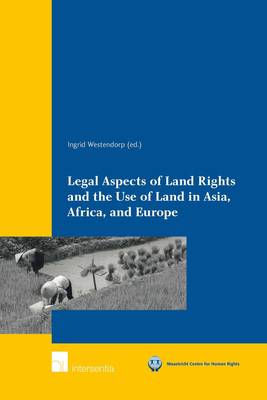
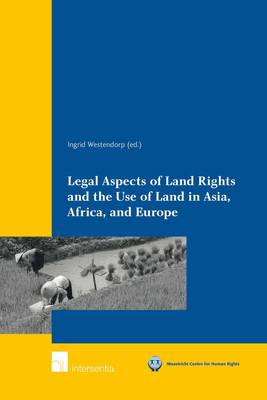
Legal Aspects of Land Rights and the Use of Land in Asia, Africa, and Europe
Westendorp Ingrid
€ 57,00
+ 114 punten
Eenvoudig bestellen
Veilig betalen


Gratis thuislevering vanaf € 30 (via bpost)
Gratis levering in je Standaard Boekhandel
Omschrijving
The right to land plays a key role in the realisation of a plethora of human rights, including the right to food, water, housing, employment, a clean and healthy environment, an adequate standard of living, social status and the power to make decisions. Property rights over land can take many forms, from mere access rights to ownership. Due to a growing world population and various global crises and developments such as agrarian reform, land is becoming scarce. The result is that land prices increase and the poorest sectors of society are deprived of access to land whilst State authorities and foreign investors practise land grabbing to make way for palm oil, animal feed and biofuel plantations, tourist resorts, or as speculative investment. In addition, arable land is not only claimed for residential purposes, but also by industries that in turn pollute the soil and water. Many groups in society, especially in developing States, need access to land for their subsistence. It is these smallholders, landless farmers, rural youths, indigenous peoples and women who often suffer the worst consequences of land reform schemes and land grabbing practices. They are not well protected by the existing forms of land tenure and State authorities often fail to live up to their human rights obligations to respect and protect the land rights of people in all sectors of their society.Legal Aspects of Land Rights is the result of the cooperation of scholars from five Indonesian faculties of law, the Maastricht Centre for Human Rights, and the Maastricht European Transnational Research Institute (METRO), together known as the Land Rights Consortium.
Specificaties
Betrokkenen
- Auteur(s):
- Uitgeverij:
Inhoud
- Aantal bladzijden:
- 152
- Taal:
- Engels
- Reeks:
- Reeksnummer:
- nr. 19
Eigenschappen
- Productcode (EAN):
- 9781780684413
- Verschijningsdatum:
- 2/11/2016
- Uitvoering:
- Paperback
- Formaat:
- Trade paperback (VS)
- Afmetingen:
- 160 mm x 240 mm
- Gewicht:
- 276 g


Alleen bij Standaard Boekhandel
+ 114 punten op je klantenkaart van Standaard Boekhandel
CADEAU

AANGERADEN


Beoordelingen
We publiceren alleen reviews die voldoen aan de voorwaarden voor reviews. Bekijk onze voorwaarden voor reviews.