



Bedankt voor het vertrouwen het afgelopen jaar! Om jou te bedanken bieden we GRATIS verzending (in België) aan op alles gedurende de hele maand januari.
- Afhalen na 1 uur in een winkel met voorraad
- In januari gratis thuislevering in België
- Ruim aanbod met 7 miljoen producten
Bedankt voor het vertrouwen het afgelopen jaar! Om jou te bedanken bieden we GRATIS verzending (in België) aan op alles gedurende de hele maand januari.
- Afhalen na 1 uur in een winkel met voorraad
- In januari gratis thuislevering in België
- Ruim aanbod met 7 miljoen producten





€ 27,95
+ 55 punten
Omschrijving
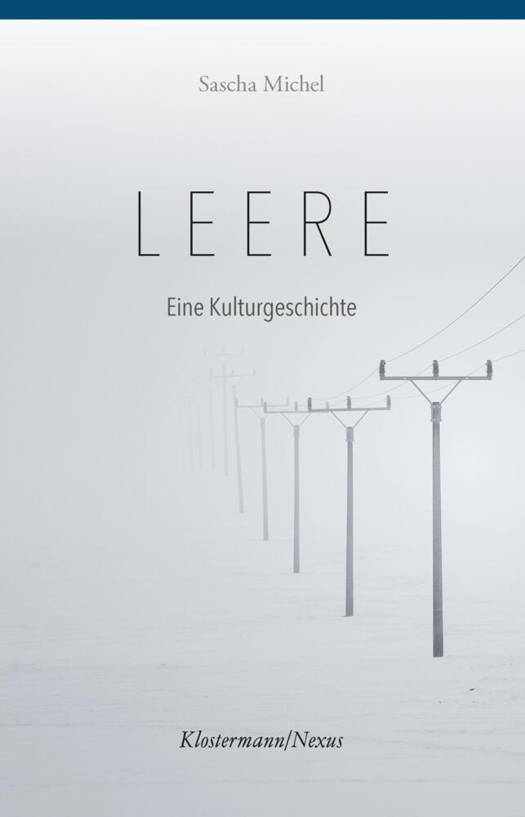
Vom Horror vacui, vom Schrecken der Leere, sprach schon das Mittelalter. Und auch in der Gegenwart fürchten wir nichts so sehr wie Leerlauf und Langeweile, leere Gasspeicher und leere Supermarkt-Regale. Andererseits hat die gespenstische Leere, die wir aus dem Corona-Lockdown oder von dystopischen Zombie-Filmen kennen, auch etwas Faszinierendes. Für die Atomisten der Antike gab es nur dank der Leere überhaupt Bewegung in der Welt. Von Zen bis Dada, von der Moderne bis zur Pop-Kultur wird die Leere nicht gefürchtet oder geleugnet, sondern gefeiert und bejaht, erforscht und in Szene gesetzt. Dieses Buch erzählt die wechselhafte Geschichte eines ambivalenten Begriffs. Es geht dabei nicht nur um das mächtige Phantasma von der großen, gewaltigen Leere am Anfang und Ende der Welt, sondern auch um die Leere als Spiel- und Zwischenraum: um die Leerstellen unserer Selbst- und Weltbilder, um eine gelockerte Kultur der Pausen und Lücken. Denn die Löcher sind bekanntlich die Hauptsache an einem Sieb.Already the Middle Ages knew of horror vacui, the horror of emptiness. And as for us today, there is still nothing we fear more than idleness and boredom, empty gas tanks and empty supermarket shelves. On the other hand, the ghostly emptiness we experienced during the coronavirus lockdown or in dystopian zombie films also has something fascinating about it. For the atomists of antiquity, it was only thanks to the void that there was any movement in the world at all. From Zen to Dada, from modernism to pop culture, emptiness is not feared or denied, but celebrated and affirmed, explored and staged. This book tells the ever-changing story of an ambivalent concept. It is not only about the powerful phantasm of the great, enormous void at the beginning and end of the world, but also about the void as a space of play and in-between: about the empty spaces of our self-images and world views, about a loosened culture of pauses and gaps. Because, as we all know, the holes are what essentially makes a sieve.
Specificaties
Betrokkenen
- Auteur(s):
- Uitgeverij:
Inhoud
- Aantal bladzijden:
- 242
- Taal:
- Duits
- Reeks:
- Reeksnummer:
- nr. 110
Eigenschappen
- Productcode (EAN):
- 9783465046585
- Verschijningsdatum:
- 20/06/2024
- Uitvoering:
- Boek
- Afmetingen:
- 145 mm x 20 mm
- Gewicht:
- 381 g



Alleen bij Standaard Boekhandel
+ 55 punten op je klantenkaart van Standaard Boekhandel
SOLDEN


Beoordelingen
We publiceren alleen reviews die voldoen aan de voorwaarden voor reviews. Bekijk onze voorwaarden voor reviews.