


- Afhalen na 1 uur in een winkel met voorraad
- Gratis thuislevering in België vanaf € 30
- Ruim aanbod met 7 miljoen producten
- Afhalen na 1 uur in een winkel met voorraad
- Gratis thuislevering in België vanaf € 30
- Ruim aanbod met 7 miljoen producten





€ 0,99
Uitvoering
Omschrijving
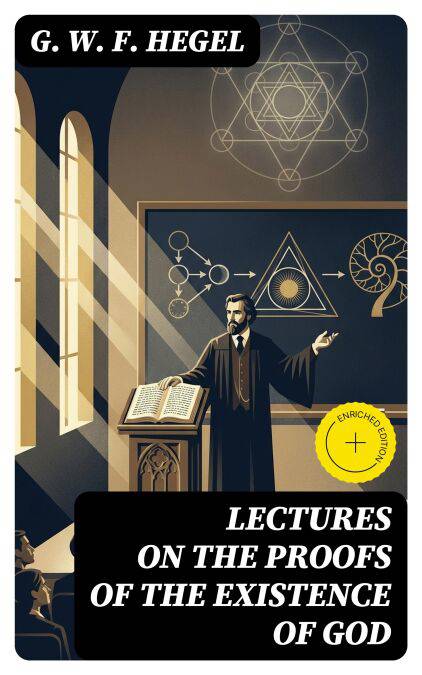
In "Lectures on the Proofs of the Existence of God," G. W. F. Hegel presents a compelling philosophical investigation into the nature of divine existence, integrating metaphysical inquiry with rigorous logic. Rooted in the tradition of Enlightenment thought, Hegel engages with the ontological, cosmological, and teleological arguments, aiming not only to establish the existence of God but also to explore the implications of this existence for human understanding and ethics. His dialectical method unfolds systematically, encouraging readers to see truth as a dynamic, evolving process rather than a static conclusion, a hallmark of Hegelian philosophy that positions the lectures within a broader context of German idealism and theological discourse of the 19th century. Hegel, as a pivotal figure in philosophy, was influenced by his background in Lutheran theology and his critical engagement with Enlightenment rationalism. His scholarly journey through different philosophical schools, coupled with his experiences during the turbulent socio-political climate of his time, equipped him with a unique perspective that sought to reconcile faith and reason. This background informs his nuanced approach to divine existence, where he contemplates both the abstract and the concrete aspects of faith. "Lectures on the Proofs of the Existence of God" is a critical read for scholars and enthusiasts of philosophy, theology, and the history of ideas. This text encourages readers to grapple with profound questions about existence, God, and human agency, showcasing Hegel's brilliance in blending rigorous philosophical inquiry with spiritual introspection. It is an essential addition to any intellectual's library, promising to spark deep reflection and debate.
Specificaties
Betrokkenen
- Auteur(s):
- Vertaler(s):
- Uitgeverij:
Inhoud
- Aantal bladzijden:
- 181
- Taal:
- Engels
Eigenschappen
- Productcode (EAN):
- 8596547158295
- Verschijningsdatum:
- 9/08/2022
- Uitvoering:
- E-book
- Beveiligd met:
- Digital watermarking
- Formaat:
- ePub


Alleen bij Standaard Boekhandel
Cadeau

AANGERADEN


Beoordelingen
We publiceren alleen reviews die voldoen aan de voorwaarden voor reviews. Bekijk onze voorwaarden voor reviews.