



- Afhalen na 1 uur in een winkel met voorraad
- In januari gratis thuislevering in België
- Ruim aanbod met 7 miljoen producten
- Afhalen na 1 uur in een winkel met voorraad
- In januari gratis thuislevering in België
- Ruim aanbod met 7 miljoen producten





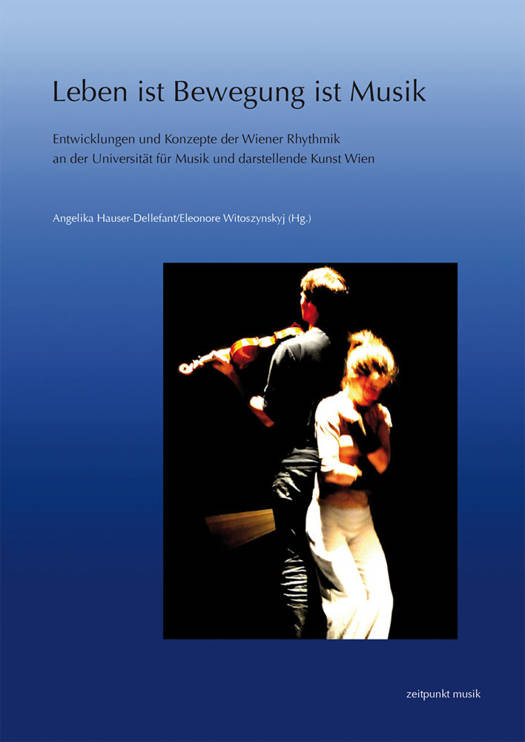
Leben Ist Bewegung Ist Musik
Entwicklungen Und Konzepte Der Wiener Rhythmik an Der Universität Für Musik Und Darstellende Kunst Wien
€ 31,45
+ 62 punten
Omschrijving
What does music and movement have to do with our being humans? Basic musicality and basic patterns of movement are given to all of us. Without these qualities we would not be able to learn languages and to understand each other. What from the start functions unconsciously can be stimulated and supported through artistic means. Artistic expression is part of human nature and not a luxury. Especially through music and movement we can develop further the foundations of communication and enhance our awareness of life.
The present book shows how the connections between music and movement can be taken up in education to convey social and creative skills - not only to children but also to adults, elderly people and people with special needs.
After a short introduction into the development of the Vienna faculty the interrelations of music and movement will be explained in more detail by means of the different aspects of MB/R. At the end the applications of the method to the major target groups are described and an insight into the didactics of the subject is provided.
13 authors who teach at the department of Music and Movement Education/Rhythmics at the University of Music and Performing Arts Vienna and who are shaping the field of study in an decisive way describe and justify important results and insights from their longtime experience as professionals and teachers in artistic, pedagogic and/or scientific fields. In 18 contributions they exhibit the different aspects of Music and Movement Education/Rhythmics. As a whole they offer an overview of the potential and the manifold possibilities of the department.
The present book shows how the connections between music and movement can be taken up in education to convey social and creative skills - not only to children but also to adults, elderly people and people with special needs.
After a short introduction into the development of the Vienna faculty the interrelations of music and movement will be explained in more detail by means of the different aspects of MB/R. At the end the applications of the method to the major target groups are described and an insight into the didactics of the subject is provided.
13 authors who teach at the department of Music and Movement Education/Rhythmics at the University of Music and Performing Arts Vienna and who are shaping the field of study in an decisive way describe and justify important results and insights from their longtime experience as professionals and teachers in artistic, pedagogic and/or scientific fields. In 18 contributions they exhibit the different aspects of Music and Movement Education/Rhythmics. As a whole they offer an overview of the potential and the manifold possibilities of the department.
Specificaties
Betrokkenen
- Uitgeverij:
Inhoud
- Aantal bladzijden:
- 244
- Taal:
- Duits
- Reeks:
Eigenschappen
- Productcode (EAN):
- 9783954901067
- Verschijningsdatum:
- 15/12/2016
- Uitvoering:
- Paperback
- Formaat:
- Trade paperback (VS)
- Afmetingen:
- 170 mm x 240 mm
- Gewicht:
- 408 g

Alleen bij Standaard Boekhandel
+ 62 punten op je klantenkaart van Standaard Boekhandel
Cadeau

AANGERADEN


Beoordelingen
We publiceren alleen reviews die voldoen aan de voorwaarden voor reviews. Bekijk onze voorwaarden voor reviews.