


- Afhalen na 1 uur in een winkel met voorraad
- Gratis thuislevering in België vanaf € 30
- Ruim aanbod met 7 miljoen producten
- Afhalen na 1 uur in een winkel met voorraad
- Gratis thuislevering in België vanaf € 30
- Ruim aanbod met 7 miljoen producten





€ 16,18
+ 16 punten
Uitvoering
Omschrijving
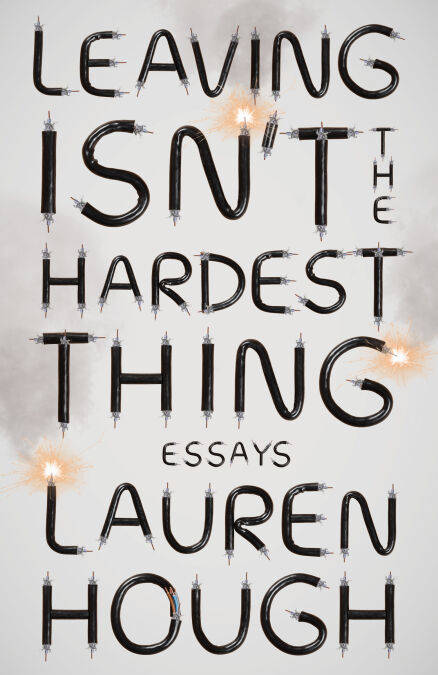
A NEW YORK TIMES BESTSELLER • "A memoir in essays about so many things—growing up in an abusive cult, coming of age as a lesbian in the military, forced out by homophobia, living on the margins as a working class woman and what it’s like to grow into the person you are meant to be. Hough’s writing will break your heart." —Roxane Gay, author of Bad Feminist
Searing and extremely personal essays, shot through with the darkest elements America can manifest, while discovering light and humor in unexpected corners.
As an adult, Lauren Hough has had many identities: an airman in the U.S. Air Force, a cable guy, a bouncer at a gay club. As a child, however, she had none. Growing up as a member of the infamous cult The Children of God, Hough had her own self robbed from her. The cult took her all over the globe--to Germany, Japan, Texas, Chile—but it wasn't until she finally left for good that Lauren understood she could have a life beyond "The Family."
Along the way, she's loaded up her car and started over, trading one life for the next. She's taken pilgrimages to the sights of her youth, been kept in solitary confinement, dated a lot of women, dabbled in drugs, and eventually found herself as what she always wanted to be: a writer. Here, as she sweeps through the underbelly of America—relying on friends, family, and strangers alike—she begins to excavate a new identity even as her past continues to trail her and color her world, relationships, and perceptions of self.
At once razor-sharp, profoundly brave, and often very, very funny, the essays in Leaving Isn't the Hardest Thing interrogate our notions of ecstasy, queerness, and what it means to live freely. Each piece is a reckoning: of survival, identity, and how to reclaim one's past when carving out a future.
A VINTAGE ORIGINAL
Searing and extremely personal essays, shot through with the darkest elements America can manifest, while discovering light and humor in unexpected corners.
As an adult, Lauren Hough has had many identities: an airman in the U.S. Air Force, a cable guy, a bouncer at a gay club. As a child, however, she had none. Growing up as a member of the infamous cult The Children of God, Hough had her own self robbed from her. The cult took her all over the globe--to Germany, Japan, Texas, Chile—but it wasn't until she finally left for good that Lauren understood she could have a life beyond "The Family."
Along the way, she's loaded up her car and started over, trading one life for the next. She's taken pilgrimages to the sights of her youth, been kept in solitary confinement, dated a lot of women, dabbled in drugs, and eventually found herself as what she always wanted to be: a writer. Here, as she sweeps through the underbelly of America—relying on friends, family, and strangers alike—she begins to excavate a new identity even as her past continues to trail her and color her world, relationships, and perceptions of self.
At once razor-sharp, profoundly brave, and often very, very funny, the essays in Leaving Isn't the Hardest Thing interrogate our notions of ecstasy, queerness, and what it means to live freely. Each piece is a reckoning: of survival, identity, and how to reclaim one's past when carving out a future.
A VINTAGE ORIGINAL
Specificaties
Betrokkenen
- Auteur(s):
- Uitgeverij:
Inhoud
- Aantal bladzijden:
- 320
- Taal:
- Engels
Eigenschappen
- Productcode (EAN):
- 9780593080771
- Verschijningsdatum:
- 12/04/2021
- Uitvoering:
- E-book
- Beveiligd met:
- Adobe DRM
- Formaat:
- ePub


Alleen bij Standaard Boekhandel
+ 16 punten op je klantenkaart van Standaard Boekhandel

Beoordelingen
We publiceren alleen reviews die voldoen aan de voorwaarden voor reviews. Bekijk onze voorwaarden voor reviews.