


- Afhalen na 1 uur in een winkel met voorraad
- Gratis thuislevering in België vanaf € 30
- Ruim aanbod met 7 miljoen producten
- Afhalen na 1 uur in een winkel met voorraad
- Gratis thuislevering in België vanaf € 30
- Ruim aanbod met 7 miljoen producten





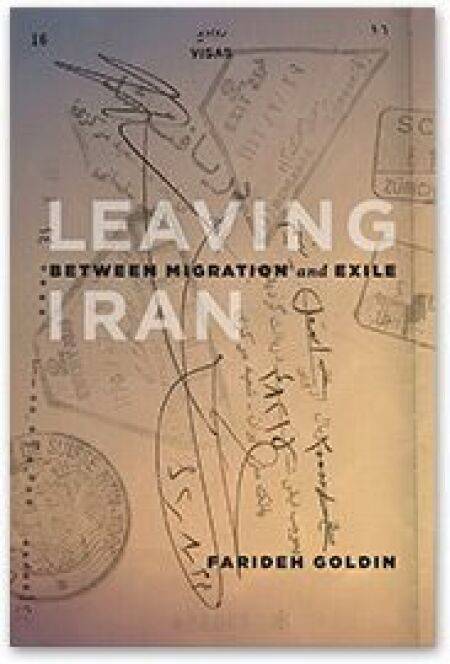
Omschrijving
In 1976, at the age of twenty-three, Farideh Goldin left Iran in search of her imagined America. She sought an escape from the suffocation she felt under the cultural rules of her country and the future her family had envisioned for her. While she settled uneasily into American life, the political unrest in Iran intensified and in February of 1979, Farideh’s family was forced to flee Iran on the last El-Al flights to Tel Aviv. They arrived in Israel as refugees, having left everything behind including the only home Farideh’s father had ever known.
Baba, as Farideh called her father, was a well-respected son of the chief rabbi and dayan of the Jews of Shiraz. During his last visit to the United States in 2006, he handed Farideh his memoir that chronicled the years of his life after exile: the confiscation of his passport while he attempted to return to Iran for his belongings, the resulting years of loneliness as he struggled against a hostile bureaucracy to return to his wife and family in Israel, and the eventual loss of the poultry farm that had supported his family. Farideh translated her father’s memoir along with other documents she found in a briefcase after his death. Leaving Iran knits together her father’s story of dislocation and loss with her own experience as an Iranian Jew in a newly adopted home. As an intimate portrait of displacement and the construction of identity, as a story of family loyalty and cultural memory, Leaving Iran is an important addition to a growing body of Iranian–American narratives.
Baba, as Farideh called her father, was a well-respected son of the chief rabbi and dayan of the Jews of Shiraz. During his last visit to the United States in 2006, he handed Farideh his memoir that chronicled the years of his life after exile: the confiscation of his passport while he attempted to return to Iran for his belongings, the resulting years of loneliness as he struggled against a hostile bureaucracy to return to his wife and family in Israel, and the eventual loss of the poultry farm that had supported his family. Farideh translated her father’s memoir along with other documents she found in a briefcase after his death. Leaving Iran knits together her father’s story of dislocation and loss with her own experience as an Iranian Jew in a newly adopted home. As an intimate portrait of displacement and the construction of identity, as a story of family loyalty and cultural memory, Leaving Iran is an important addition to a growing body of Iranian–American narratives.
Specificaties
Betrokkenen
- Auteur(s):
- Uitgeverij:
Inhoud
- Aantal bladzijden:
- 304
- Taal:
- Engels
- Reeks:
Eigenschappen
- Productcode (EAN):
- 9781771991391
- Verschijningsdatum:
- 31/12/2015
- Uitvoering:
- E-book
- Beveiligd met:
- Digital watermarking
- Formaat:
- ePub


Alleen bij Standaard Boekhandel
+ 15 punten op je klantenkaart van Standaard Boekhandel
AANGERADEN


Beoordelingen
We publiceren alleen reviews die voldoen aan de voorwaarden voor reviews. Bekijk onze voorwaarden voor reviews.