


- Afhalen na 1 uur in een winkel met voorraad
- Gratis thuislevering in België vanaf € 30
- Ruim aanbod met 7 miljoen producten
- Afhalen na 1 uur in een winkel met voorraad
- Gratis thuislevering in België vanaf € 30
- Ruim aanbod met 7 miljoen producten




€ 90,10
+ 180 punten
Omschrijving
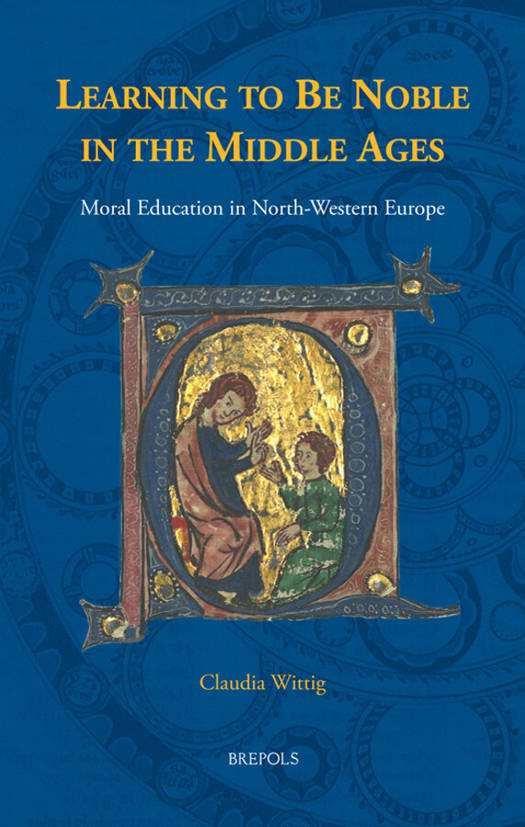
This book explores for the first time the moral education of the Western European nobility in the high Middle Ages. The medieval nobility created and utilized values and ideals such as chivalry and courtliness to legitimize their exalted position in society, and these values were largely the same across Europe. Noble codes of conduct communicated these ideals in everyday interactions and symbolic acts at court that formed the basis of European courtly society. This book asks how noble men and women were taught about morality and good conduct and how the values of their society were disseminated. While a major part of moral education took place in person, this period also produced a growing corpus of writing on the subject, in both Latin and the vernacular languages, addressing audiences that encompassed the lay elites from kings to the knightly class, men as well as women. Participation in this teaching became a distinguishing feature of the nobility, who actively promoted their moral superiority through their self-fashioning as they evolved into a social class. This book brings together analyses of several major European didactic texts and miscellanies, examining the way nobles learned about norms and values. Investigating the didactic writings of the Middle Ages helps us to better understand the role of moral education in the formation of class, gender, and social identities, and its long-term contribution to a shared European aristocratic culture.
Specificaties
Betrokkenen
- Auteur(s):
- Uitgeverij:
Inhoud
- Aantal bladzijden:
- 295
- Taal:
- Frans
- Reeks:
- Reeksnummer:
- nr. 33
Eigenschappen
- Productcode (EAN):
- 9782503595009
- Verschijningsdatum:
- 3/08/2022
- Uitvoering:
- Hardcover
- Formaat:
- Genaaid
- Afmetingen:
- 155 mm x 233 mm
- Gewicht:
- 638 g


Alleen bij Standaard Boekhandel
+ 180 punten op je klantenkaart van Standaard Boekhandel
AANGERADEN


Beoordelingen
We publiceren alleen reviews die voldoen aan de voorwaarden voor reviews. Bekijk onze voorwaarden voor reviews.