


- Afhalen na 1 uur in een winkel met voorraad
- Gratis thuislevering in België vanaf € 30
- Ruim aanbod met 7 miljoen producten
- Afhalen na 1 uur in een winkel met voorraad
- Gratis thuislevering in België vanaf € 30
- Ruim aanbod met 7 miljoen producten





€ 232,45
+ 464 punten
Omschrijving
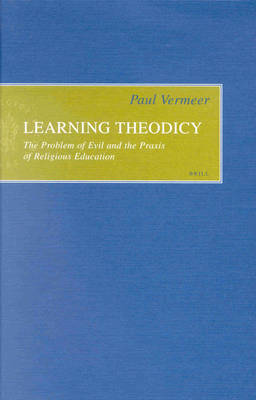
This volume deals with theodicy as a subject-matter for religious education. In order to enable people to reflect on the theodicy issue, to deal with their religious doubts and perhaps even to cope with suffering, it is very important that religious education is attentative to the problem of evil.
But is it possible to 'learn' theodicy? And, if so, what does 'learning' mean in this respect? What kind of aims and objectives are desirable and attainable here? These theoretical issues are addressed in the first part of this book.
The second part reports on empirical research conducted on the effects of an experimental theodicy course designed for third grade students of lower level secondary schools. As the research findings indicate, it is indeed possible to 'learn' something about theodicy.
But is it possible to 'learn' theodicy? And, if so, what does 'learning' mean in this respect? What kind of aims and objectives are desirable and attainable here? These theoretical issues are addressed in the first part of this book.
The second part reports on empirical research conducted on the effects of an experimental theodicy course designed for third grade students of lower level secondary schools. As the research findings indicate, it is indeed possible to 'learn' something about theodicy.
Specificaties
Betrokkenen
- Auteur(s):
- Uitgeverij:
Inhoud
- Aantal bladzijden:
- 198
- Taal:
- Engels
- Reeks:
- Reeksnummer:
- nr. 3
Eigenschappen
- Productcode (EAN):
- 9789004116504
- Verschijningsdatum:
- 30/11/1999
- Uitvoering:
- Hardcover
- Formaat:
- Bibliotheekbinding
- Afmetingen:
- 165 mm x 245 mm
- Gewicht:
- 503 g


Alleen bij Standaard Boekhandel
+ 464 punten op je klantenkaart van Standaard Boekhandel
CADEAU


Beoordelingen
We publiceren alleen reviews die voldoen aan de voorwaarden voor reviews. Bekijk onze voorwaarden voor reviews.