


- Afhalen na 1 uur in een winkel met voorraad
- Gratis thuislevering in België vanaf € 30
- Ruim aanbod met 7 miljoen producten
- Afhalen na 1 uur in een winkel met voorraad
- Gratis thuislevering in België vanaf € 30
- Ruim aanbod met 7 miljoen producten





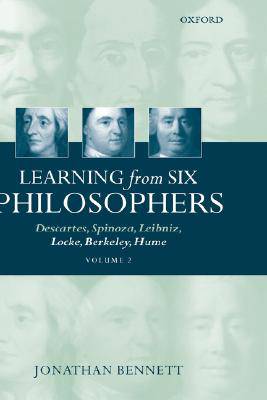
Omschrijving
This illuminating work explores six great thinkers of the early modern period: Descartes, Spinoza, Leibniz, Locke, Berkeley, and Hume. While not neglecting the historical setting of each, its focus is on the words they wrote. As in all of Bennett's works, it addresses philosophy as philosophy, not as museum exhibit, and it offers a close and demanding attention to textual details. For newcomers to the early modern scene, this clearly written work is an excellent introduction, and for those already in the know, it provides tools to argue with the great philosophers of the past, treating them as colleagues, antagonists, students, and teachers.
Specificaties
Betrokkenen
- Auteur(s):
- Uitgeverij:
Inhoud
- Aantal bladzijden:
- 396
- Taal:
- Engels
- Reeks:
Eigenschappen
- Productcode (EAN):
- 9780198250920
- Verschijningsdatum:
- 10/05/2001
- Uitvoering:
- Hardcover
- Formaat:
- Genaaid
- Afmetingen:
- 162 mm x 245 mm
- Gewicht:
- 716 g


Alleen bij Standaard Boekhandel
+ 580 punten op je klantenkaart van Standaard Boekhandel
Cadeau

AANGERADEN


Beoordelingen
We publiceren alleen reviews die voldoen aan de voorwaarden voor reviews. Bekijk onze voorwaarden voor reviews.