


- Afhalen na 1 uur in een winkel met voorraad
- Gratis thuislevering in België vanaf € 30
- Ruim aanbod met 7 miljoen producten
- Afhalen na 1 uur in een winkel met voorraad
- Gratis thuislevering in België vanaf € 30
- Ruim aanbod met 7 miljoen producten





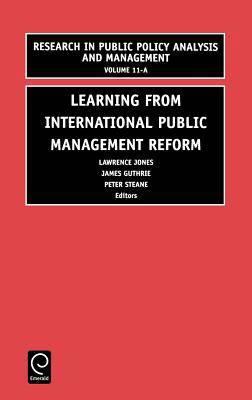
Learning from International Public Management Reform
€ 315,95
+ 631 punten
Omschrijving
Governments around the world are criticized as inefficient, ineffective, too large, too costly, overly bureaucratic, overburdened by unnecessary rules, unresponsive to public needs, secretive, undemocratic, invasive into rights of citizens, self-serving, and failing in provision of the quantity and quality of services desired by the taxpaying public. Fiscal stress has plagued many governments, increasing the cry for less costly or just less government. Critics have exerted sustained pressure on politicians and public managers for transformational reform. Recommendations for change have included application of market and economic logic and private sector management methods to government. Managerial reform has been promoted on grounds that the public sector is organized and functions on many of the wrong principles and needs reinvention and renewal. Government reforms in response to reformist pressures have included restraint of spending and tax cuts, sales of public assets, privatization and contracting-out of services, increased performance measurement and auditing, output and outcomes based budgeting, and new accounting and reporting methods. Reform has been accompanied by promises of smaller, less interventionist and more decentralized government, improved efficiency and effectiveness, greater responsiveness and accountability to citizens, increased choice between public and private providers of services, a more 'entrepreneurial' public sector capable of cooperating with business. While it is apparent why politicians and elected officials often support new managerial methods, observers wonder whether the promises of reform can be delivered upon to provide benefits depicted so attractively. Dialogue on this question is active among public management scholars, practitioners, politicians, citizen groups and the media. Substantial elements of this dialogue are represented in this book.
Specificaties
Betrokkenen
- Uitgeverij:
Inhoud
- Aantal bladzijden:
- 308
- Taal:
- Engels
- Reeks:
- Reeksnummer:
- nr. 11
Eigenschappen
- Productcode (EAN):
- 9780762307593
- Verschijningsdatum:
- 5/03/2001
- Uitvoering:
- Hardcover
- Formaat:
- Genaaid
- Afmetingen:
- 156 mm x 234 mm
- Gewicht:
- 607 g

Alleen bij Standaard Boekhandel
+ 631 punten op je klantenkaart van Standaard Boekhandel
AANGERADEN


Beoordelingen
We publiceren alleen reviews die voldoen aan de voorwaarden voor reviews. Bekijk onze voorwaarden voor reviews.